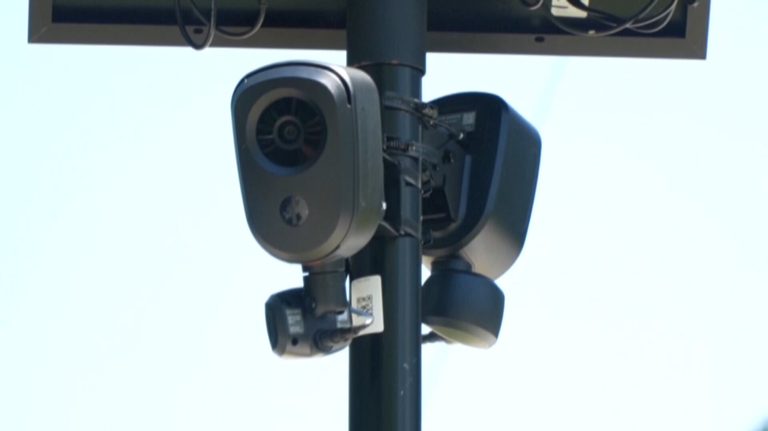
State Senator Jamie Selzler, a Democrat from Fargo, announced plans to introduce a bill that would place clear guardrails on the use of automated license‑plate readers (ALPR) such as the controversial Flock cameras. Selzler said dozens of constituents contact him daily expressing strong concerns and a desire for a ban, but he believes reasonable regulation is a better path.
Key provisions of the proposed legislation
The bill would require law‑enforcement agencies to publicly disclose the exact locations of any ALPR devices they operate and to give the public a 30‑day notice before installing a new camera. It would also prohibit placement of these cameras within a reasonable distance of schools, places of worship, or hospitals. Data collected by the devices could be retained for no more than 14 days, and any intentional misuse of the technology would be criminalized.
Additionally, the legislation would mandate that an open investigation be launched before an officer may query the camera’s database for a search, ensuring that the technology is used only after proper oversight.
Local reaction and broader context
Selzler, who is working with a bipartisan group of legislators, said he hopes law‑enforcement agencies will support the proposal as the 2027 legislative session approaches. “If I were a police officer, I would be worried about overreach that could lead to a total ban,” he told reporters.
The issue has already sparked action in nearby communities. The Horace City Council voted in September to remove its Flock cameras, becoming the first city in the Fargo metro area to do so. Councilmember Chad Chalmers, who attended a recent “Flock Talk” event hosted by the Faith & Conviction Coalition, warned that while many view these devices as simple license‑plate readers, some models, such as the Condor, include pan‑tilt‑zoom capabilities and live video streaming.
Current use of ALPR technology in North Dakota
Fargo’s police department operates 21 stationary Flock cameras and 61 squad‑car mounted ALPR units from another vendor, plus five pan‑tilt‑zoom cameras downtown. While the department’s policy lists camera locations as exempt records, it does provide a transparency portal with FAQs and policy details. The city does not use the “Guardian Mode” feature that tracks motion, citing the constant activity in the areas where the cameras sit.
Grand Forks Police say they have no stationary or vehicle‑mounted ALPR devices. West Fargo reports 48 stationary cameras and four car‑mounted units, with monthly audits reviewed by an intelligence supervisor. Bismarck’s police have ALPR units on all 43 of its squad cars and access to cameras at a regional mall. Dickinson’s department, which equipped its squad cars in 2023, also runs three stationary cameras and credits the technology with solving a recent shooting investigation.
Other cities, including Minot, Williston and others, have adopted similar systems, often pairing them with oversight committees or monthly reviews to ensure proper use.
Balancing security and liberty
Critics argue that the ability of ALPR systems to store a “mosaic of information” about drivers’ movements amounts to an invasion of privacy, even when facial‑recognition software is not employed. Fargo attorney Kellan Benson, who spoke at the Flock Talk panel, noted that linking a person to their vehicle can effectively track a person’s movements, raising constitutional concerns.
Chalmers summed up the debate succinctly: “If we have no liberty, we have no security. Governments throughout history have killed more people than criminals have. We must ensure these tools do not become instruments of oppression.”
Sen. Selzler’s proposal aims to address those concerns while preserving the investigative benefits that law‑enforcement officials say have been “huge lifesavers” in solving crimes, especially in understaffed departments.
Next steps
The bill is expected to be introduced early in the 2027 session. Selzler plans to meet with police chiefs and agency leaders to refine the language and build bipartisan support. If passed, North Dakota could become a model for states seeking to balance modern surveillance technology with constitutional liberty and community safety.
Original reporting: KFYR-TV Bismarck (news) — read the source article.