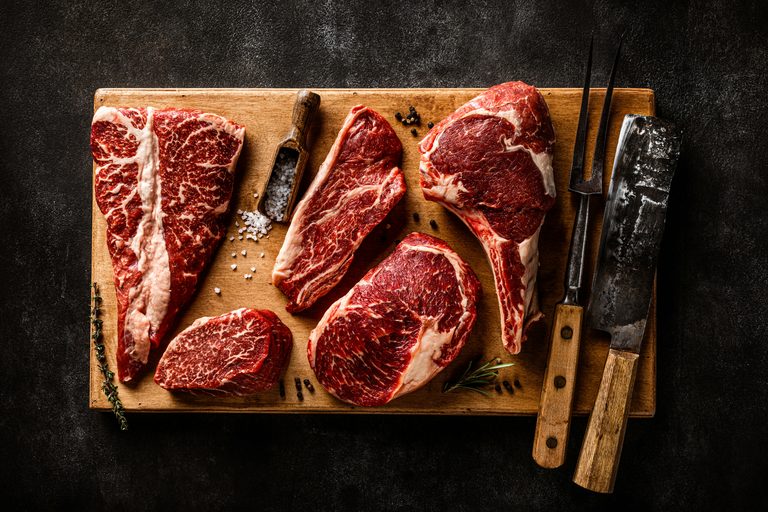
For many Wyoming households, the rising cost of grocery staples like beef and pork is a real strain on the family budget, especially during the holiday season. One practical way to ease that pressure is to purchase a bulk meat bundle from a local processor or farm. By buying a quarter‑cow, half‑hog, or a custom combination, families can lock in a lower price per pound, free up cash for other necessities, and keep money circulating within the state.
Why Bulk Meat Makes Sense for Wyoming Families
Wyoming’s hunting tradition and abundant livestock industry mean that high‑quality meat is readily available locally. When you buy directly from a Wyoming processor, you avoid the markup that grocery chains add for handling, transportation, and advertising. The result is a healthier margin for your household and a boost for the state’s agricultural economy – a win‑win for families who value self‑reliance and community support.
Key Considerations Before You Order
- Freezer space: A quarter‑cow typically requires 3.5 to 5 cubic feet of freezer capacity; a half‑hog needs about 3 to 4 cubic feet. Make sure your freezer can accommodate the volume you plan to purchase.
- Budget: Prices vary by cut and size. Smaller bundles (quarter‑beef or quarter‑pork) are more affordable up‑front, while whole‑animal purchases offer the deepest per‑pound savings but require a larger initial outlay.
- Family consumption: Estimate how much meat your household eats in a month. A family of four that enjoys a few hearty meals a week may find a half‑cow or half‑hog ideal, whereas a smaller household might stick with a quarter‑bundle.
- Cut sheet options: Processors provide a cut sheet that lists each portion (steaks, roasts, ground meat, etc.). Some allow you to customize the sheet to suit your cooking preferences.
- Ordering timeline: Many Wyoming processors work on a set processing schedule. Orders placed now may not be fulfilled until the next processing date, and some producers maintain a wait list during peak seasons.
Finding a Reliable Wyoming Meat Processor
Wyoming hosts a variety of farms, cooperatives, and specialty meat shops that sell bulk meat. When choosing a supplier, consider the following:
- Reputation: Look for reviews from other local families or ask for recommendations at community gatherings, church groups, or farmer’s markets.
- Transparency: A trustworthy processor will provide clear information about animal welfare practices, USDA inspection status, and the exact cuts you’ll receive.
- Location: Selecting a nearby farm reduces transportation time and supports the local economy.
- Customer service: Responsive staff who can answer questions about storage, cooking tips, and delivery options make the buying experience smoother.
Tips for Storing and Using Your Bulk Meat
Once your meat arrives, proper storage is essential to maintain quality:
- Label each package with the cut and freeze date.
- Use freezer‑grade bags or vacuum‑seal to prevent freezer burn.
- Plan meals in advance so you can rotate older packages to the front of the freezer.
- Consider portioning larger cuts into meal‑size packages before freezing; this saves time on busy weeknights.
Cooking bulk meat can be simple. Ground beef or pork works well for casseroles, tacos, and meat sauces. Larger roasts can be slow‑cooked for family‑style meals, while steaks are perfect for weekend grilling. By planning a weekly menu around the cuts you have, you’ll minimize waste and maximize savings.
Supporting Wyoming’s Agricultural Heritage
Purchasing meat directly from Wyoming farms does more than stretch a budget; it honors a long‑standing tradition of self‑sufficiency and stewardship of the land. Families who choose local bulk meat are investing in the livelihoods of ranchers and farm workers, preserving the state’s agricultural heritage for future generations.
In a time when many households are looking for ways to keep more of their hard‑earned dollars at home, bulk meat bundles offer a practical, family‑friendly solution that aligns with Wyoming’s values of hard work, faith, and community.
Original reporting: K2 Radio (Casper) — read the source article.