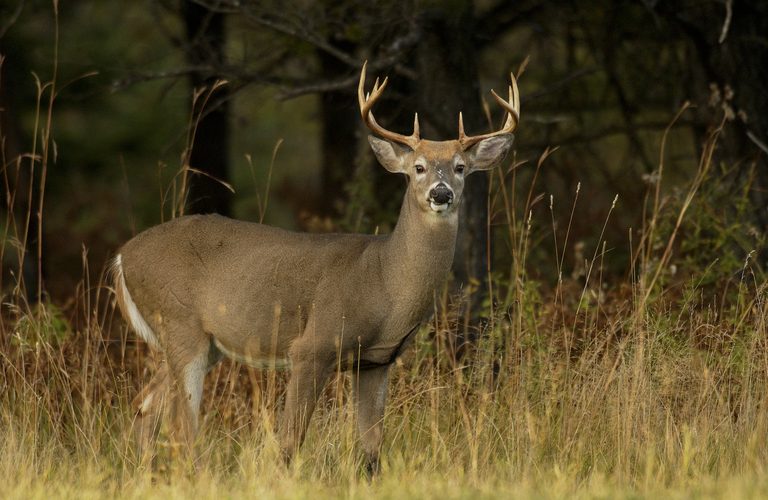
South Dakota wildlife officials are taking swift action to protect the state’s deer herds after a sharp increase in deaths from epizootic hemorrhagic disease (EHD). The disease, spread by tiny biting midges that thrive near muddy shorelines, has pushed reported deer fatalities from 407 to 791 in just a few weeks.
Program expansion to help hunters and deer alike
During the latest Game, Fish and Parks Commission meeting, Secretary Kevin Robling announced that the voluntary license‑buyback program – which offers hunters a full refund for deer licenses – will be expanded to additional counties in western, south‑central, and southeastern South Dakota. The move is intended to reduce hunting pressure in areas where the outbreak is most severe, giving the remaining deer a better chance to recover.
Robling emphasized the resilience of white‑tailed deer, noting, “the great news is, white‑tails, in particular, have an incredible reproductive performance, can multiply very quickly. We will recover from this, no doubt.” He added that the department will continue to be “conservative with our harvest strategies and our tag allocations” over the next couple of years.
What the disease does and why it’s spreading
EHD primarily affects white‑tailed deer, but mule deer, bighorn sheep, elk, and pronghorn can also become infected. The virus typically appears in late summer or early fall, when midges are most active. Unusually warm fall conditions across much of South Dakota have extended the insects’ season, allowing the disease to spread further before a hard freeze—about 25 °F—normally curtails the midge population.
Additional hunting restrictions
Beyond the buyback program, the department has already taken several steps to limit hunting in outbreak‑affected zones. Mentored and youth deer licenses have been removed in nine southeastern counties that have seen repeated outbreaks over the past two years. Additionally, 62 unsold licenses—two in McPherson County and 60 in Dewey County—were withdrawn, and the statewide archery license rule was changed from a general deer permit to a buck‑only permit.
How the public can help
Officials are urging residents to report sick or dead deer through the department’s online contact form at gfp.sd.gov/contactus. Reports are entered into a public map that updates in real time, helping wildlife managers track the disease’s spread and target future interventions.
The expansion of the license‑refund program reflects a proactive, science‑based response that balances the needs of hunters with the imperative to safeguard South Dakota’s iconic wildlife. As the disease’s seasonal cycle winds down with colder weather, officials remain optimistic that the deer population will rebound, supported by the species’ natural reproductive strength and the state’s measured management approach.
Original reporting: KOTA (Gray) – local — read the source article.