What is there, exactly, to do at the Nashville Farmers Market on a Saturday morning in October?
The market sits on the north edge of downtown, across Rosa Parks Boulevard from the Bicentennial Capitol Mall grounds, in a covered shed that has seen better decades. The roof keeps out the rain. The concrete stays cold. And yet, by 8 a.m. on a weekend in fall, the place is operating at full pitch — vendors stacked in tight rows, the smell of hot coffee and roasting sweet peppers, conversations happening in Spanish and English and sometimes both at once.
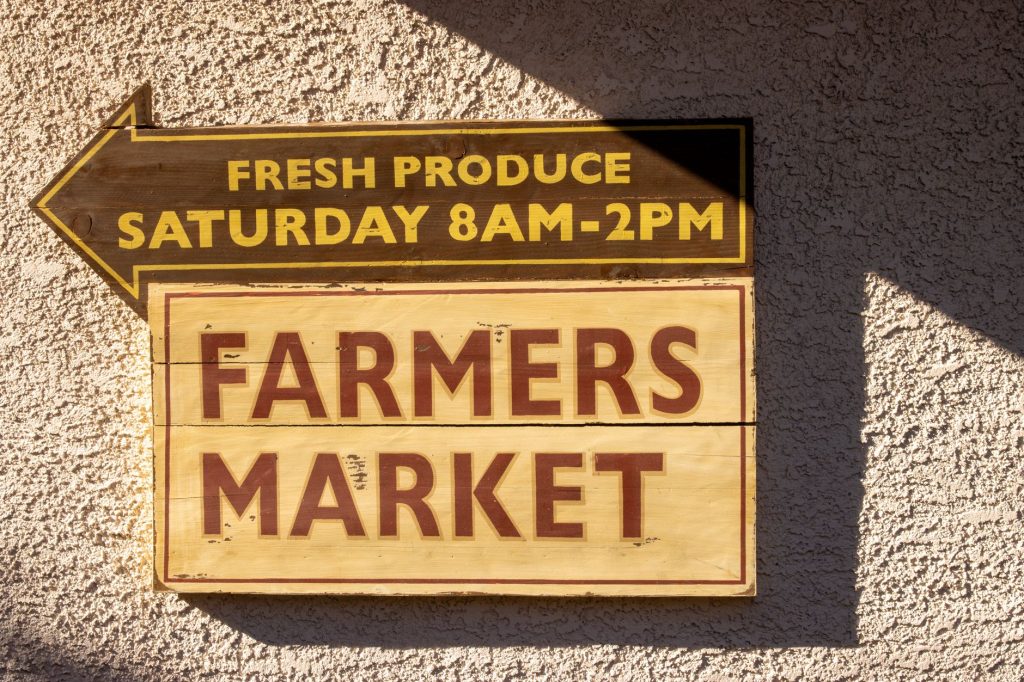
The Nashville Farmers Market has been here, in various configurations, since the 1800s. The current structure on 8th Avenue North is unglamorous: a long open-air shed flanked by a food court and a row of permanent vendors who sell everything from dried herbs to South Asian groceries. It is not a boutique experience. The farmers sell out of plastic bins and folding tables. Some of the booths have handwritten signs. A few have none at all.
That lack of polish is exactly the point. On a cool Saturday in mid-October, the produce changes fast — muscat grapes give way to butternut squash, the last of the summer tomatoes share space with the first of the kale. Local orchards bring Arkansas Black apples and Stayman Winesaps, varieties that most grocery stores have never bothered to stock. Vendors from the Cumberland Valley and Middle Tennessee hill farms drive two hours to make the morning shift.
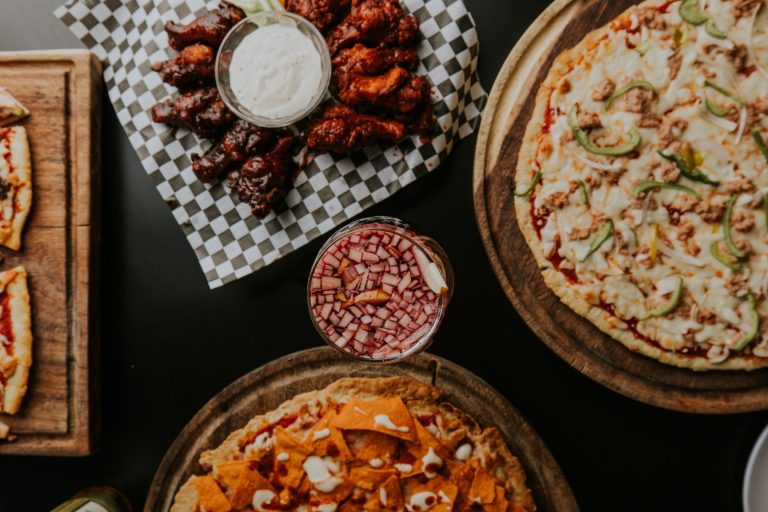
The food hall running along the south side of the market complex is worth its own visit. It’s a loose collection of independent stalls — a Jamaican spot, a Vietnamese bánh mì counter, a crepe stand, a coffee window — that operate independently and do not share a kitchen or a vibe. Tables fill up fast. By 9:30, there is usually a wait for the crepes.
Prices at the produce stalls are fair and occasionally very good. A half-peck of mixed peppers might run four or five dollars. Honey from a Robertson County beekeeper sells for twelve to fifteen depending on the variety. Grass-fed beef shows up from farms in Sumner County; bring a cooler if you’re buying cuts.
The permanent vendor stalls, which wrap around the interior perimeter, are more eclectic than any single category can hold. One sells Korean pantry staples alongside Memphis-style hot sauce. Another moves dried mushrooms, loose-leaf tea, and locally pressed oils. It has the feel of a place assembled organically over many years, which is because it was.
Parking is easier than the location suggests — a lot runs directly alongside the shed, and street parking on 8th fills slowly on weekend mornings. The market opens at 8 a.m. daily; Saturdays draw the heaviest crowd of outdoor vendors, usually from spring through late fall. In winter, the indoor stalls stay open year-round.
No one is going to call this the most beautiful market in the South. The charm is in the utility of it — the way working cooks and regular households shop here alongside each other, with no particular fanfare. That’s what keeps people coming back on cold October mornings when the coffee is hot and the apples are as good as they’re going to get all year.