With Democrats sweeping the 2026 midterms, Ohio’s new governor, Amy Acton, inherits a complex task: deciding whether to pursue the reversal of the SNAP and Medicaid reductions enacted under President Trump’s One Big Beautiful Bill. While the federal cuts were promoted as a necessary step to curb waste, fraud, and abuse, state officials and policy experts warn that undoing them will not be straightforward.
Federal landscape remains hostile
Even though House Democrats, led by New York’s Hakeem Jeffries, have pledged to restore funding in their first‑100‑day plan, any legislation must still be signed by President Trump. The president has consistently defended the cuts as a means of protecting taxpayers and eliminating program abuse. As former Ohio Medicaid director John Corlett notes, “Trump championed these changes as a way to trim waste, and it’s unlikely he’ll sign a bill that reverses them.”
Legislative hurdles in Washington
Democrats would need to secure a simple‑majority Senate vote, bypassing the usual 60‑vote threshold, and the bill would have to be “budget neutral,” meaning it must find money to replace the funds removed from SNAP and Medicaid. Emily Campbell, CEO of the Center for Community Solutions, says the financing source is still unknown. Without a clear funding plan, the Senate is unlikely to move forward.
State‑level implications and possible compromises
Ohio’s upcoming Medicaid work‑requirement rules, set to take effect on Jan. 1, 2027, could remain in place regardless of federal action. Acton has previously supported work requirements, and the state legislature has a history of backing them. Some analysts, like senior health‑policy analyst Brian O’Rourke, suggest a more realistic outcome may be a delay rather than a full repeal. “They need to write legislation, debate it, and somehow pass it through the Senate,” O’Rourke said, adding that the process feels like a longer‑term effort.
Local impact and potential state responses
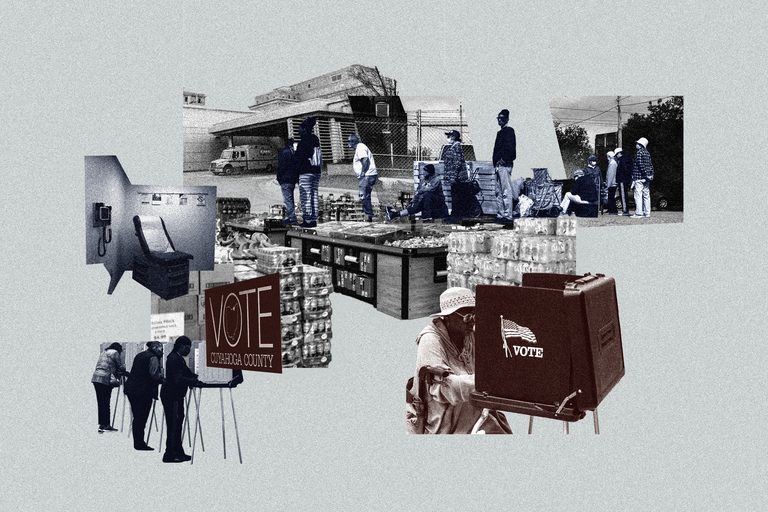
For Ohio residents who rely on SNAP and Medicaid, the immediate future looks unchanged. The One Big Beautiful Bill’s provisions—such as stricter work requirements and reduced state funding for program administration—are still law. However, Acton could use her executive authority to ease implementation. For example, she might allow medically frail individuals to avoid the new documentation burden or join the multi‑state lawsuit challenging the work‑requirement rules.
What Democrats say
U.S. Rep. Shontel Brown’s office framed delaying the next SNAP cuts as “a key part of ongoing Farm Bill negotiations.” Brown, who seeks the chair of the Agriculture Committee, emphasizes the need to reverse what she calls the largest SNAP cuts in history. Yet, without a Republican ally in the Senate or a budget‑neutral financing plan, those goals remain aspirational.
Bottom line for Ohio families
While the Democratic victories raise hopes for restoring welfare program funding, the reality of a Republican presidency and a divided Congress means any reversal will likely be incremental, if it happens at all. Ohio’s families should watch for state‑level adjustments that could mitigate the impact of the federal cuts, even as the broader policy debate continues.
Original reporting: Signal Akron — read the source article.