The first time most people walk into one of the multi-dealer antique shops along 1st Street South in downtown Nampa, they give themselves twenty minutes. They come out ninety minutes later carrying a box of Depression-era glass or a stack of old Idaho license plates, slightly stunned at how the time went.
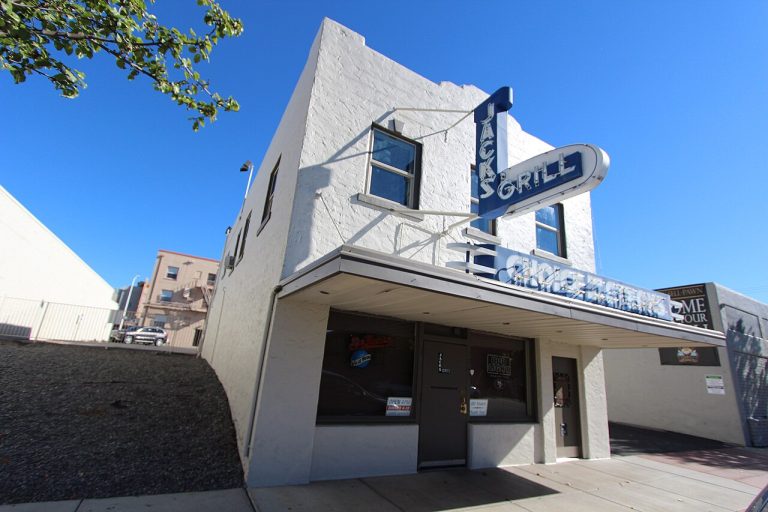
That stretch of 1st Street South — roughly between 11th and 13th Avenues — holds a cluster of independently operated antique and vintage shops that together function as an informal district. The anchors are a few large booth-style warehouses where anywhere from thirty to eighty dealers rent space, displaying everything from Victorian furniture to 1980s video game cartridges. The buildings themselves are early-twentieth-century brick commercial blocks, the kind you see all over small western cities, and they haven’t been renovated into something photogenic. The floors creak. The lighting is uneven. That’s part of it.
What sets this stretch apart from the highway antique barns you pass on the way into town is the density and variety of the individual dealers. Because each booth is run independently, you get real range — a retired schoolteacher selling her grandmother’s linoleum-top kitchen table shares the same warehouse floor with a picker who specializes in vintage Pendleton wool and another dealer who deals almost exclusively in old farm tools and taxidermy. There’s no curatorial hand at work. That’s either frustrating or the whole appeal, depending on what you’re after.
Pricing is generally honest. You’re not going to find things dramatically undervalued — enough people who know what they’re doing shop here — but you won’t hit the inflated tags you see at curated shops in Boise either. Booth rent is lower here than in the city, and that tends to pass through to the buyer. A solid mid-century side table might run $65 to $120. Good vintage denim, $20 to $45 depending on the label. Cast iron, priced right. Expect to spend something; don’t expect theft-level deals.
Saturday is the busiest day, usually from about 10 a.m. onward. Weekday mornings are quieter and frankly better for serious looking — fewer people, more time with the dealers themselves, some of whom are genuinely knowledgeable and willing to talk about provenance, regional history, or how to restore a piece. That kind of conversation is harder to have when the place is busy.
Parking on 1st Street South is straightforward, with free spots along the street and a surface lot nearby. The shops themselves generally open around 10 and close by 5 or 6; hours vary by store and sometimes by dealer, so calling ahead on a weekday is worth it if you’re making a special trip.
What makes this stretch worth knowing isn’t any single shop. It’s the cumulative effect of walking from one to the next, covering a few blocks, spending two or three hours in a neighborhood that hasn’t been polished into something else yet. Downtown Nampa has been changing — new restaurants, some renovation activity — but this block hasn’t tried to rebrand itself. It’s still doing the thing it was doing twenty years ago, just with better Instagram lighting in the window displays. If you care about old things and want to spend a morning actually looking at them, 1st Street South is a reasonable place to be.