In the wake of the Republican defeat in the recent midterm elections, President Trump moved quickly to reorganize the West Wing. On Friday, he announced that longtime adviser Stephen Miller would assume the role of chief of staff, replacing Susie Wiles, who submitted her resignation on Thursday.
Why the change matters
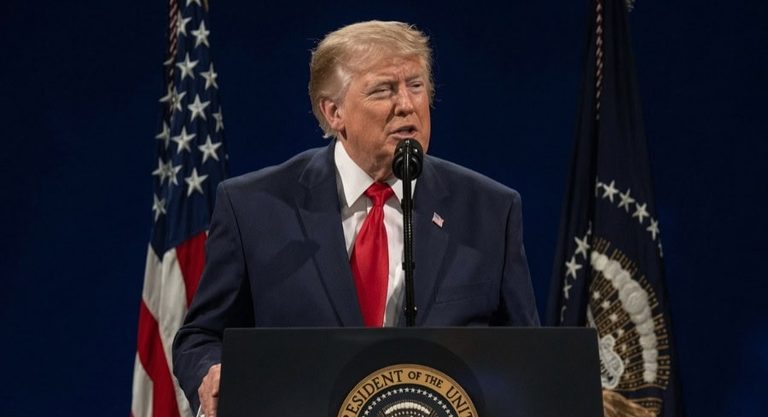
“I wanted to make a change,” President Trump told reporters. “Sometimes in life, you have to make moves.” The president framed the personnel shift as a necessary step to restore momentum after the party’s bruising loss of control in both chambers of Congress.
During a sit‑down interview with 60 Minutes correspondent Ross Douthat, which is set to air Sunday, Trump hinted that additional firings could follow. When asked whether more staff would be let go, he replied, “I do, yeah. Little bit. I love my Cabinet. I think they’re good. But I’ll be doing maybe a few changes.” This candid admission underscores the administration’s resolve to tighten its ranks and refocus on its agenda.
Stephen Miller steps into the West Wing
Stephen Miller, a veteran policy architect of the Trump administration, is known for his hard‑line stance on immigration and his role in shaping the administration’s domestic agenda. By elevating Miller to chief of staff, President Trump signals a return to the aggressive policy push that defined his first term.
“We need a steady hand and a clear vision,” the president said of Miller’s appointment. “He knows how to get things done for the American people.” The move is being welcomed by many within the party who view Miller as a loyal and effective operative.
Defense Secretary Pete Hegseth remains
Amid the shake‑up, Defense Secretary Pete Hegseth appears to have survived the immediate post‑election fallout. Although reports suggested Trump had privately consulted advisers about Hegseth’s future, the president publicly reaffirmed his confidence in the secretary.
“I do,” Trump said when asked if he still backed Hegseth. “Look, we’ve won two wars. We’ve won Venezuela and taken out billions and billions and billions of dollars already. And we will be taking out many billions of dollars and get along very well. And, you could call it a territory, you could call it whatever you want. We won that war in less than one hour.” This endorsement highlights the administration’s continued focus on a strong national defense and assertive foreign policy.
Implications for the GOP and the nation
The leadership changes come at a critical moment for the Republican Party, which now faces the challenge of governing without a congressional majority. By installing Miller and retaining Hegseth, President Trump is positioning his team to pursue an agenda that emphasizes border security, fiscal responsibility, and a robust military posture.
Critics have warned that the rapid turnover could destabilize the administration’s operations. However, the president’s own words suggest confidence that the new team will “make moves” needed to protect American interests and restore confidence among the party’s base.
As the nation watches the administration’s next steps, the White House’s swift action signals a determination to adapt and press forward despite recent electoral setbacks.
Original reporting: Tampa Free Press — read the source article.