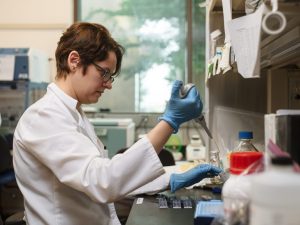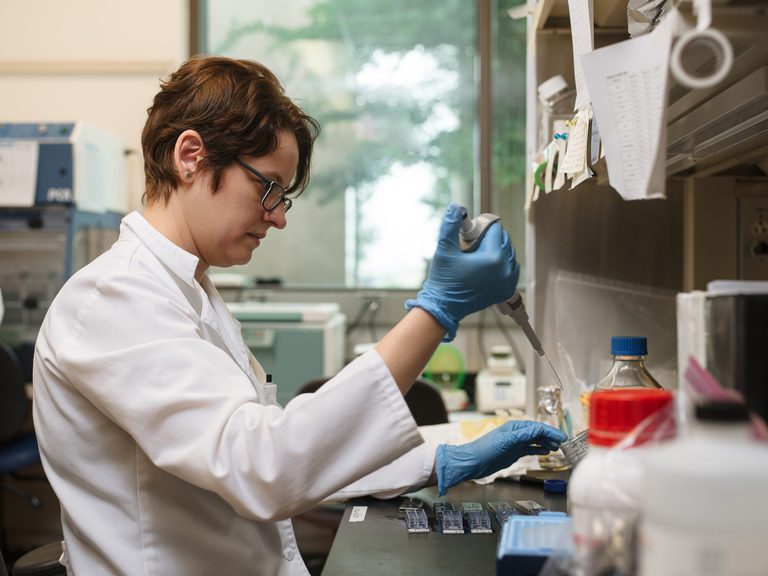
Scientists at Texas Biomedical Research Institute (Texas Biomed) in San Antonio are beginning a new study to combat tuberculosis (TB) using host‑directed therapy. The research, funded with $200,000 from Lyda Hill Philanthropies, will examine ways to deliver the therapy directly to the lungs, where TB does the most damage.
Why a new approach?
Traditional TB treatment relies on a cocktail of antibiotics that must be taken for many months. Drug‑resistant strains are on the rise, and in 2024 the World Health Organization reported over 1.2 million deaths worldwide and an estimated 390,000 cases of drug‑resistant TB. Host‑directed therapy takes a different tack: instead of attacking the bacteria directly, it strengthens the body’s own immune system and reduces harmful inflammation, much like the immunotherapy used in certain cancer treatments.
Local expertise leading the effort
“If we think of the immune system as a light bulb, TB infection dims the light,” said molecular biologist Eusondia Arnett, co‑leader of the study. “Host‑directed therapy is going to turn the light bulb back on, activating the immune system to kill the bug.” Dr. Larry Schlesinger, Texas Biomed’s president and CEO, and Arnett will co‑lead the project alongside collaborators from the Southwest Research Institute, Texas A&M University, the University of Texas, and Colorado State University.
Potential benefits for patients
Current TB treatment typically involves a dozen pills taken daily for several months to over a year, often causing side effects such as nausea, fatigue, and flu‑like symptoms. By modulating the immune response, the new therapy could lessen lung inflammation, reduce long‑term lung damage, and possibly shorten the duration of drug therapy. “I’m mindful as a clinician of the burdens on our patients,” said Dr. Lisa Armitige, co‑medical director of the Heartland National TB Center. “We try to lessen those as much as we can, but the treatment is the treatment. It’s effective, but it’s not easy.”
Building on existing approvals
The research team is focusing on compounds already approved for certain leukemias or currently in early‑stage cancer trials. By leveraging drugs with known safety profiles, the investigators hope to accelerate the path from laboratory to clinic. “We’ve been focusing on combinations of compounds that are already FDA‑approved for treatment of some leukemias and pairing them with other chemicals that are now in phase one or two clinical trials for cancer,” Arnett explained. “We hope that by building on that … we can more readily translate this into the clinic.”
San Antonio’s role in TB care
Texas has the second‑largest TB patient population in the United States, behind California. Bexar County, where San Antonio resides, records between 60 and 90 cases each year, most among people born outside the United States. The city is home to the Texas Center for Infectious Disease, the nation’s last freestanding TB hospital, as well as the City Chest Clinic and the CDC‑funded Heartland National TB Center, which provides training and consultation statewide.
Looking ahead
The host‑directed therapy study will take several years and any eventual treatment must still clear the U.S. Food and Drug Administration’s approval process. Nonetheless, the initiative reflects a growing national effort to develop innovative tools against drug‑resistant infections, which researchers warn could cause up to 40 million deaths worldwide between 2025 and 2050 if left unchecked.
For San Antonio residents, the project underscores the city’s continuing leadership in infectious‑disease research and its commitment to protecting vulnerable populations from a disease that, while rare in the United States, remains a leading cause of death worldwide.
Original reporting: San Antonio Report — read the source article.