What does a serious plant nursery look like in a city better known for oil derricks than orchids? In Tulsa, the answer might be a few acres of greenhouses and outdoor beds tucked along the edge of south Tulsa, staffed by people who can tell a customer why their hosta is dying and actually be right about it.
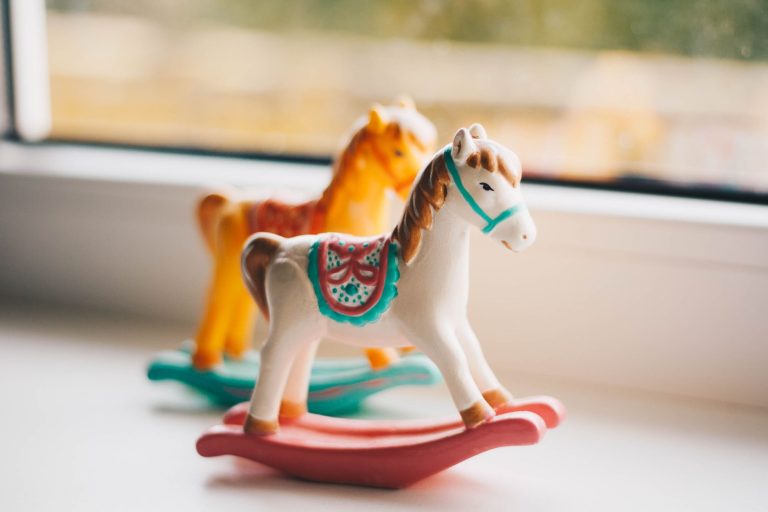
Rocking Horse Ranch Nursery, out on East 61st Street near Memorial, is not a garden center attached to a hardware store. It’s the real thing — a working nursery that grows a substantial portion of what it sells, which matters more than it sounds. Plants raised on-site are acclimated to Tulsa’s particular brutality: the clay soil, the late frosts that come back for one more punch in April, the summers that run like a slow-motion blast furnace from June into September. A tree that spent its first years right here tends to do better in a Tulsa backyard than something trucked in from a milder climate and put on a lot for a few weeks.
The selection tilts toward what actually works in northeastern Oklahoma — natives like Oklahoma redbud and possumhaw holly, proven perennials, ornamental grasses that don’t collapse in August heat. But there’s also a rotating stock of more unusual finds: a passalong plant that most big-box stores don’t bother carrying, the occasional tropical for a container garden, interesting cultivars of things like coneflower or salvia that differ meaningfully from the standard varieties. Regulars know to come early in the season because the good stuff moves fast.
Saturday mornings, the place draws a certain kind of Tulsan — the type who has a specific question ready before they get out of the car. The staff fields those questions without condescension, which is rarer than it should be. Ask about soil amendment for a raised bed or which ornamental tree won’t heave up a driveway in ten years, and the answer will be informed and direct. Nobody’s reading from a tag.
Pricing runs in line with what independent nurseries charge, which is to say more than a chain store and worth it. A one-gallon perennial might run six to ten dollars; shrubs and trees scale up from there. The quality differential is usually visible — root systems that fill the pot without being strangled, foliage that looks like it’s been cared for rather than survived shipping.
Spring is the peak, obviously. The greenhouse section fills up with annuals and vegetable starts in March and April, and the outdoor stock turns over constantly as the season moves. But fall is underrated — late September and October are good times to plant trees and shrubs in Tulsa’s climate, and Rocking Horse tends to stock accordingly, with some items marked down as the season closes.
It’s not a destination for someone who wants to wander a gift shop or sip coffee by a koi pond. The appeal is simpler than that: a knowledgeable staff, plants that are genuinely suited to where they’re being planted, and enough variety that a serious gardener can make a trip and come back with something unexpected. For Tulsa gardeners who’ve been burned by impulse buys at big-box stores — the ones that looked great in April and were dead by July — that combination is enough.