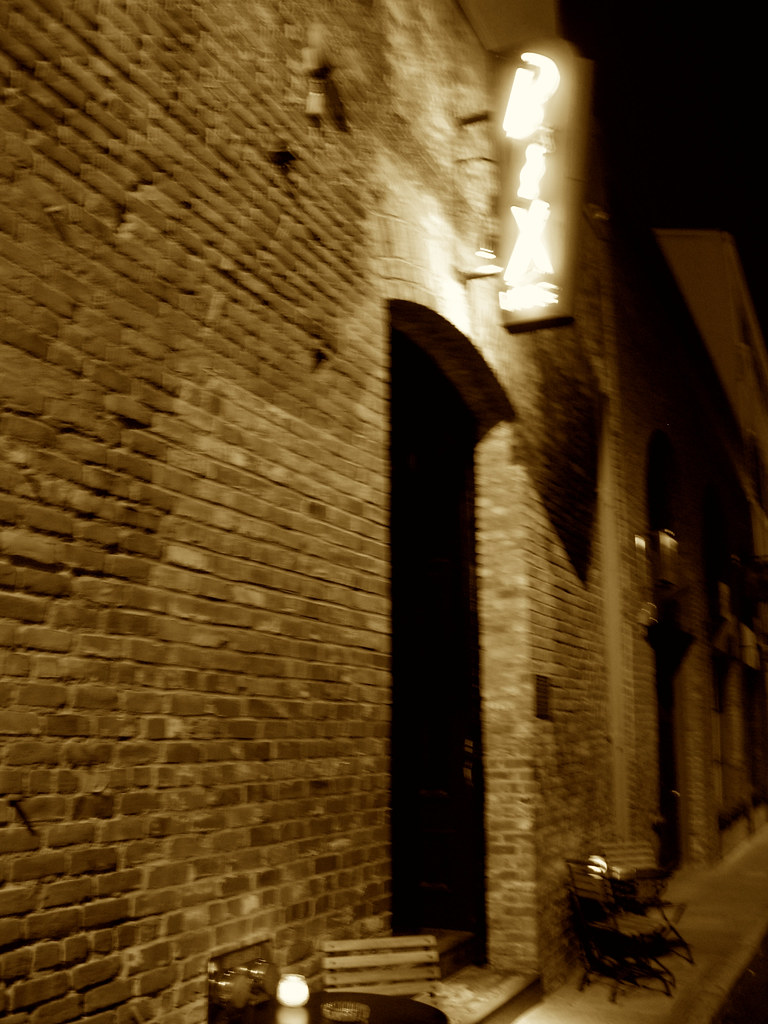
Bix opened in 1988 in a Gold Rush-era alley off Merchant Street, and for the last three decades it has barely changed — which is exactly the point. The place predates the dot-com boom, survived the bust, and outlasted half the supper clubs that tried to copy its formula. The room seats around a hundred people inside a former gold assay office, with ceilings so high the candlelight barely reaches them and a balcony that wraps the perimeter like a jazz-age theater that forgot to close.
The first reason to go is the room itself. Designer Ken Fulk had nothing to do with Bix — it existed long before his aesthetic colonized the city’s fancier restaurants — and yet the space feels like the template: dark wood, curved leather banquettes, low amber light, a long bar staffed by people who know what they’re doing. It is not trying to look like a supper club. It simply is one, in a way San Francisco rarely sustains.
The second reason is the cocktail program. The bartenders here pour a proper Gibson, a genuinely cold martini, a Negroni that doesn’t arrive in a rocks glass the size of a salad bowl. The drinks are old-fashioned in the best sense — assembled correctly, served without theater. A round for two runs about $36 to $44, which feels appropriate given the surroundings.
The third reason is the food, which gets undersold because the room hogs the conversation. The menu runs toward American brasserie: crispy duck confit, steak tartare, a whole roasted chicken that takes thirty minutes and is worth every one of them. The deviled eggs with caviar are a fixture, and the crab cakes arrive without excessive filler or apology. Dinner for two with drinks settles somewhere between $120 and $180 depending on restraint, of which Bix does not particularly encourage a great deal.
Live music happens most nights — typically a jazz duo or trio tucked into the corner near the bar, playing at a volume that permits actual conversation. This is rarer than it sounds. Many venues that call themselves jazz rooms are either too loud or too precious about it; Bix treats the music as part of the room’s atmosphere rather than the main event competing with everything else.
The alley address — 56 Gold Street, between Montgomery and Sansome in the Financial District — means the crowd skews toward people who know where they’re going rather than people who stumble in. On weeknights it fills with a mix of finance workers doing something right for once and longtime regulars who have been coming since Clinton was in office. Weekend nights lean younger but not by much. Reservations are worth making; the bar seats walk-ins more reliably.
What Bix has that most of its contemporaries don’t is conviction. The menu doesn’t chase trends. The room doesn’t add Edison bulbs or subway tile to stay current. The staff doesn’t perform enthusiasm. It simply operates at a consistent level of quality that San Francisco’s restaurant landscape — with its lurching toward the new — tends to strip out of places that survive long enough to have history. Bix has history, and it wears it without ceremony.