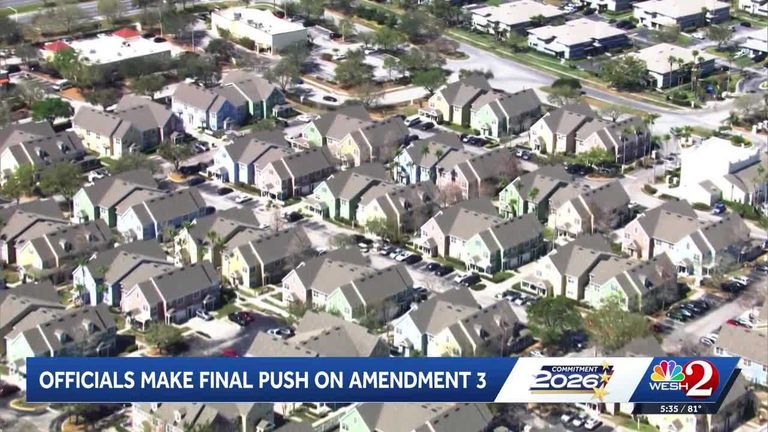
Florida voters have given strong backing to Amendment 3, the homestead property tax exemption measure that dominated the 2026 midterm ballot. The amendment cleared the 60% threshold required for constitutional changes, earning 62% of the vote according to the Associated Press.
What Amendment 3 Changes
The amendment raises the exemption amount for non‑school property taxes from the current $50,000 to $150,000 beginning next year. A further increase to $250,000 is slated for 2028. By reducing the taxable portion of a homeowner’s primary residence, the measure promises to lower annual property tax bills for millions of Floridians.
Legislative Intent and Support
Republican state lawmakers placed Amendment 3 on the ballot, arguing that local governments have been extracting excessive revenue from homeowners as property values continue to climb. Their rationale emphasizes protecting families’ financial stability and preserving the traditional American ideal of homeownership—a cornerstone of strong neighborhoods and individual liberty.
“This amendment returns power to the people, ensuring that families keep more of the money they earn,” said a spokesperson for the Florida House Republican caucus. “It aligns with our commitment to limited government and fiscal responsibility.”
Critics’ Concerns
Opponents warned that the reduced tax base could strain funding for public programs, including public safety and local services. Some advocacy groups expressed worry that municipalities may need to cut services or raise other fees to compensate for the loss of revenue.
“While the intention to ease homeowners’ burdens is understandable, we must consider the impact on essential services that keep our communities safe and thriving,” noted a representative from the Florida Public Safety Association.
Impact on Local Budgets
State officials have indicated that the amendment’s phased approach—first to $150,000, then to $250,000—allows local governments time to adjust budgets and explore alternative revenue sources. The administration’s fiscal office expects that the gradual increase will mitigate abrupt shortfalls, giving counties and municipalities a window to plan responsibly.
“We are confident that the phased implementation will balance homeowner relief with the need to fund critical services,” said a senior budget analyst at the Florida Department of Revenue.
What This Means for Floridians
Homeowners across the state can anticipate lower property tax bills in the coming years, freeing up household income for other priorities such as education, health care, and family needs. The amendment also reflects a broader trend of voter support for measures that limit government taxation and promote individual economic freedom.
As the new exemption takes effect, local officials will begin the process of recalibrating tax rates and budgets to align with the constitutional change. Residents are encouraged to stay informed through county tax collector offices and local news outlets.
Original reporting: WESH Orlando — read the source article.