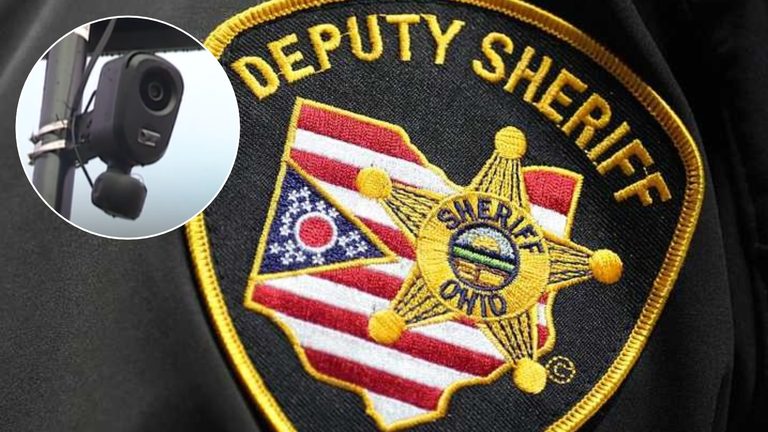
In Columbus, Ohio, the state Fraternal Order of Police joined three other major law‑enforcement associations in reaffirming support for the use of Flock traffic cameras. Their joint statement comes as Governor‑elect Amy Acton, a former state public‑health director, has pledged to ban the devices if she takes office.
Guiding principles for responsible camera use
The Ohio FOP, Ohio Association of Chiefs of Police, Ohio Prosecuting Attorneys Association, and Buckeye State Sheriffs’ Association outlined three guiding principles aimed at preventing abuse of camera data. The principles call for clear rules and stricter penalties for officers who misuse the footage, mandatory audits of police agencies, and robust security and transparency requirements for the technology providers.
“We have heard many Ohioans’ concerns about the danger that could come from those who seek to abuse access to this important police investigative resource, and we share those concerns,” the unions said in a joint statement released Friday. “Law enforcement has many investigatory tools, and unauthorized access is a serious crime under Ohio Revised Code. Law enforcement professionals should be held to the same standard regarding Flock cameras.”
Support from state officials
Attorney General‑elect John Kulewicz, a Democrat, has expressed a desire to allow local departments to keep using the cameras, echoing the position of current Attorney General Andy Wilson. Both officials argue that the technology provides valuable evidence for traffic enforcement and public safety.
Despite Acton’s ban proposal, the Ohio General Assembly and Ohio Senate remain under Republican control, suggesting that any legislative effort to prohibit the cameras could face significant hurdles.
Proposed oversight mechanisms
The unions recommend that agencies conduct regular, mandatory audits in which humans review who accesses Flock camera data, how often, and for what purpose. They also call for public reporting of any widespread abuse, allowing civilian administrators to protect Ohioans’ privacy. Additionally, agencies should track and disclose the number of arrests made based on camera data, providing evidence of the system’s legitimate law‑enforcement value.
Transparency to the public is another key element. The statement urges that communities have a right to know when illegal abuses occur and that technology providers be required to implement stringent cybersecurity measures, including access controls, breach notification, data‑retention policies, and independent security audits.
Political context
Acton’s campaign against the cameras was a focal point in her race against businessman Vivek Ramaswamy. While the two candidates differed sharply on how to address the growing resident backlash against the devices, the unions argue that outright bans would discard a tool that helps keep Ohio’s roads safer.
Both the governor‑elect and Attorney General‑elect are Democrats, a party that has not held either the governor’s mansion or the attorney‑general’s office in Ohio for two decades. Their positions contrast with the Republican‑controlled legislature, which may shape the ultimate fate of any ban.
What’s next for Flock cameras in Ohio?
The law‑enforcement groups plan to work with local officials and the state legislature to embed the proposed principles into policy. Their goal is to preserve the cameras while ensuring robust safeguards against misuse, thereby balancing public‑safety benefits with privacy protections.
Original reporting: WLWT Cincinnati — read the source article.