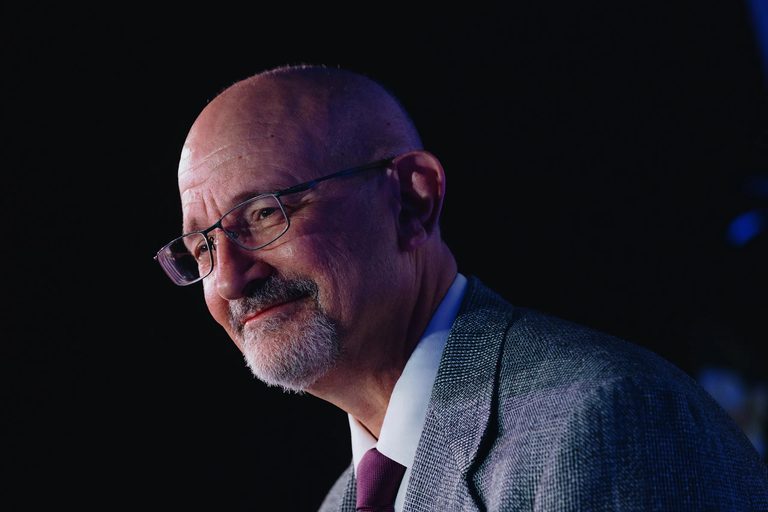
San Antonio – The Texas Railroad Commission, the state agency that regulates oil and gas production, welcomed Jon Rosenthal, a Cypress Democrat and former state representative, after his victory in the November election. Rosenthal becomes the first Democrat to sit on the three‑member commission in more than three decades, breaking a long streak of Republican control.
Industry response to Rosenthal’s agenda
Representatives of the oil and gas sector said they will work constructively with the new commissioner. Ben Shepperd, president of the Permian Basin Petroleum Association, highlighted Rosenthal’s 25‑year background as a mechanical engineer and four terms in the state House. “I know a lot of folks are maybe disappointed. It’s the first Democrat in 30‑plus years,” Shepperd said, “but the industry has thrived under Democratic leadership for over a century, and Texas will continue to recognize the importance of oil and gas to our state.”
Other industry leaders echoed a similar tone. Todd Staples, treasurer of the Texas Oil & Gas Association Good Government Committee, called Texas oil “the nation’s safeguard from rising fuel prices and dependence on adversaries for energy.” He added that the commission’s role is to provide “fairness and predictability” for producers and consumers alike.
Rosenthal’s proposed reforms
During his campaign, Rosenthal outlined a series of policy changes aimed at tightening environmental standards and improving transparency. Key proposals include:
- Banning the practice of flaring excess natural gas and instead incentivizing capture and sale of the gas.
- Imposing fees for the disposal of industrial wastewater.
- Raising salaries for commission staff to attract and retain qualified workers.
- Publishing commissioners’ calendars, meeting agendas, and attendance plans.
- Increasing oversight of orphaned oil wells, including accelerated plugging and third‑party audits.
- Requiring regular groundwater monitoring and emergency‑preparedness audits with fines for non‑compliance.
- Evaluating water and power impacts before approving data‑center projects, keeping them away from residential neighborhoods.
Rosenthal also called for a ban on campaign donations from oil companies to commission candidates, a measure long criticized by watchdog groups.
Commission dynamics
Rosenthal will serve alongside two Republican commissioners, meaning any rulemaking will require a majority vote. Ed Longanecker, president of the Texas Independent Producers and Royalty Owners Association, noted that “the two remaining Republican commissioners therefore retain decisive influence on rulemakings and contested cases involving spacing, flaring, injection, and production.” He added that the practical impact on operators will depend on how closely the three members align on technical and enforcement questions.
Despite the partisan shift, industry leaders emphasized a desire for “fair and predictable” regulation. They argue that stable policy is essential for continued production, which supports billions of dollars in tax revenue for Texas roads, schools, and public services, and sustains more than 400,000 jobs.
Local implications
For Texans, the commission’s decisions affect everything from gasoline prices at the pump to the health of local water supplies. Rosenthal’s focus on reducing flaring and improving groundwater monitoring resonates with communities concerned about air quality and water safety. At the same time, his push for higher salaries and greater transparency aims to strengthen the commission’s credibility and public trust.
As the new commission takes office in January, stakeholders will watch closely to see how Rosenthal’s proposals are negotiated and whether the promised cooperation materializes.
Original reporting: San Antonio Report — read the source article.