The threshing machine at Lipe Farm Park actually runs. Not as a demonstration scheduled twice a year, but on the kind of random Tuesday when a volunteer decides the weather is right and fires it up. That detail alone separates this place from most agricultural museums, where everything behind the rope stays behind the rope.
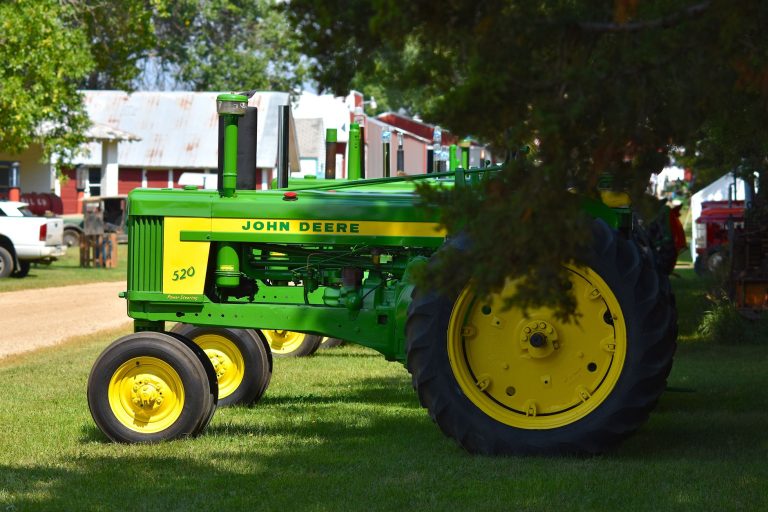
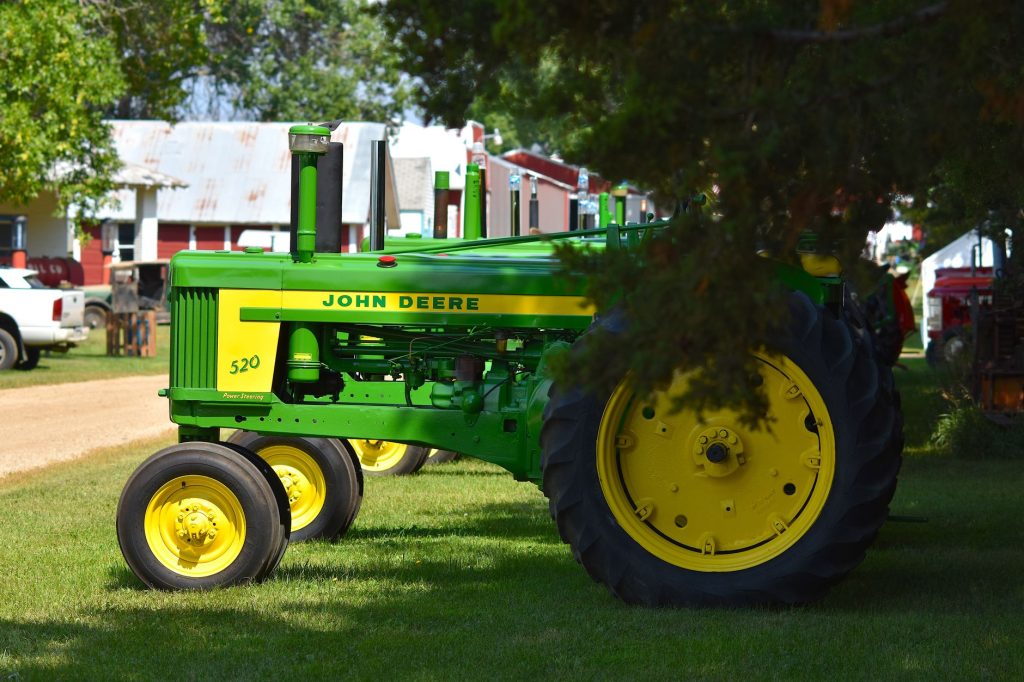
Lipe Farm Park sits on the western edge of Syracuse in the Geddes area, not far from where the old salt industry once dominated the shoreline. The city owns the land; a small nonprofit called the Lipe Farm Museum Foundation operates what’s on it. The main draw is a collection of antique farm equipment — plows, tractors, planters, cultivators — most of it dating from the late 1800s through the mid-20th century. Some pieces were donated by families who farmed Central New York for generations. A few still have the original owner’s name painted on the side.
The barn itself is the kind of structure that takes a moment to process: hand-hewn timbers, a threshing floor worn smooth by decades of work, light coming through gaps in the siding in long horizontal bars. The foundation has done enough restoration to keep it standing without stripping away what makes it feel authentic. Dust, yes. Drafts, yes. That’s the point.
Volunteers are the real curatorial staff here. On weekends especially, there are usually a few on hand — retired mechanics, history teachers, people whose grandparents used this exact equipment — and they talk about the machines the way people talk about cars they’ve actually driven. Ask about the hit-and-miss engine near the back corner and be prepared to spend twenty minutes learning how single-cylinder farm engines governed their own speed. It’s genuinely interesting if that kind of mechanical history lands for you.
Admission is low — typically a few dollars for adults, free for children — and hours are limited, generally weekends from late spring through early fall, though it’s worth calling ahead or checking the foundation’s social pages before making a trip. The site doesn’t always have staffing for a full open day, and showing up to a locked gate would be frustrating. When it is open, the whole visit runs about 90 minutes at a relaxed pace.
There’s no café, no gift shop to speak of, no audio tour. What’s there is the equipment, the building, and whoever happens to be volunteering that day. For families with kids who have never seen how grain gets processed, or who think food comes entirely from supply chains, there’s something clarifying about watching a belt-driven machine do what it was designed to do. For adults who grew up around farms, the reaction tends to be quieter — more recognition than revelation.
It’s a small operation and doesn’t pretend otherwise. The parking area is a gravel lot. The signage could be more visible from the road. But the collection is legitimate, the volunteers are knowledgeable without being scripted, and the barn is one of the more atmospheric spaces in Onondaga County. Syracuse has bigger museums with more funding and better air conditioning. This one has the actual smell of an old barn and a threshing machine that still works.