So you’ve done the pier. You’ve done the beach. Now what?
That’s usually the point where someone who’s been here longer than a season says: go to Weedon Island. And then they don’t explain further, because honestly, it’s hard to describe without sounding like you’re overselling it. It’s not dramatic. It doesn’t have a gift shop with flamingo keychains. What it has is about four miles of trails threading through one of the more intact coastal ecosystems left on Tampa Bay, plus a small cultural center that will quietly rearrange your understanding of who was here before any of us.
The Weedon Island Preserve Cultural and Natural History Center sits at the end of Weedon Island Drive, northeast of downtown off 4th Street N. Admission is free, which feels almost suspicious given what you get. The center itself is modest — two floors, interpretive displays, a few glass cases — but the material inside covers thousands of years of Native American habitation on this stretch of coastline. The Weedon Island archaeological site is one of the most significant prehistoric sites in the southeastern United States, and the exhibits actually do it justice without dumbing it down. There are pottery shards, tools, and effigy pieces alongside straightforward explanations of the Manasota and Safety Harbor cultures that lived and traded here. You can spend a focused 45 minutes in there, or you can breeze through in 20 and head straight for the trails. Both are valid.
The trails are the main event for most people. The boardwalk loop takes you out over open water and through mangrove tunnels that feel genuinely otherworldly at certain times of day — early morning especially, when the light comes through the mangrove canopy sideways and the mullet are jumping. Ospreys nest in the snags. Great blue herons stand around with the particular patience of creatures that have never once been late to anything. In winter months, manatees move through the shallower channels nearby. You won’t always see them, but when you do, the experience has a certain gravity to it.
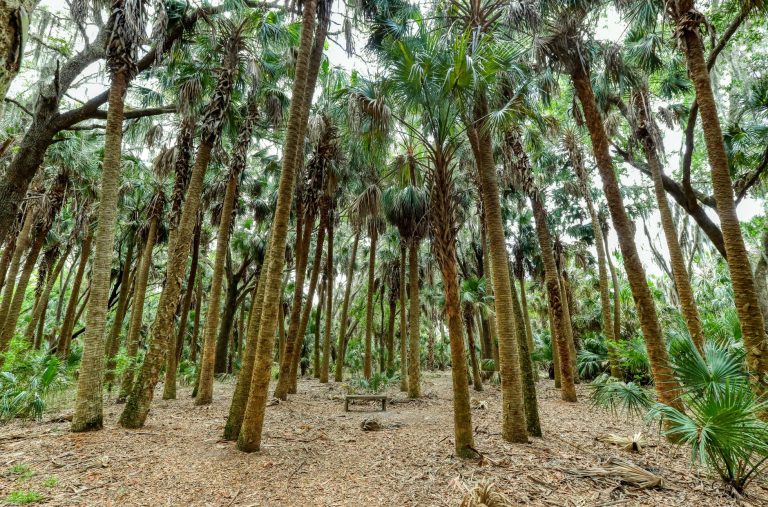
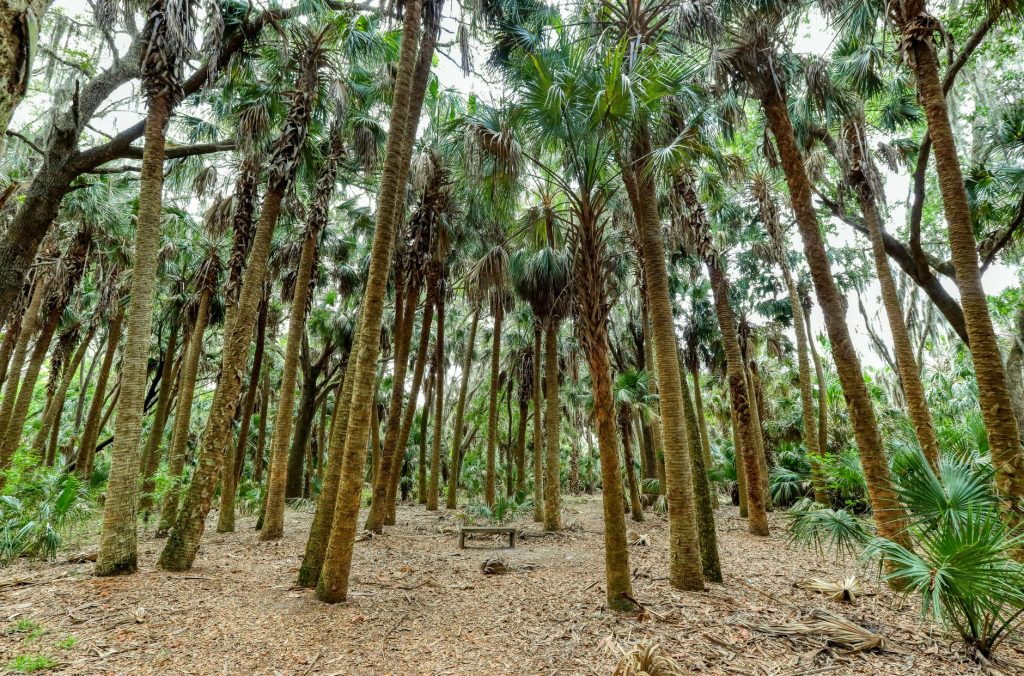
The longer trail system extends further into the upland areas — scrub, pine flatwoods, spots where the vegetation shifts and you briefly forget you’re in a metro area of three million people. Kayak and canoe launches exist within the preserve as well, though those require a bit more planning and a permit if you’re going in certain zones.
Parking is free. The nature center is open Tuesday through Sunday, 9 to 4, closed Mondays. It’s run by Pinellas County, which means it’s consistently maintained and low-drama. There’s usually a ranger or docent around who will talk your ear off if you let them, and you probably should let them, because they know things about this landscape that aren’t on any sign.
The closest thing to a complaint is that the parking lot is small and fills up on cool-weather weekends, so getting there before 9:30 on a Saturday in January is not a suggestion so much as a survival strategy. Mid-week in summer, you may have the whole place nearly to yourself — which is its own experience, humidity and all.
It’s not a destination that photographs well or generates much algorithmic excitement. It just happens to be one of the more grounding places in this city, and that counts for something.