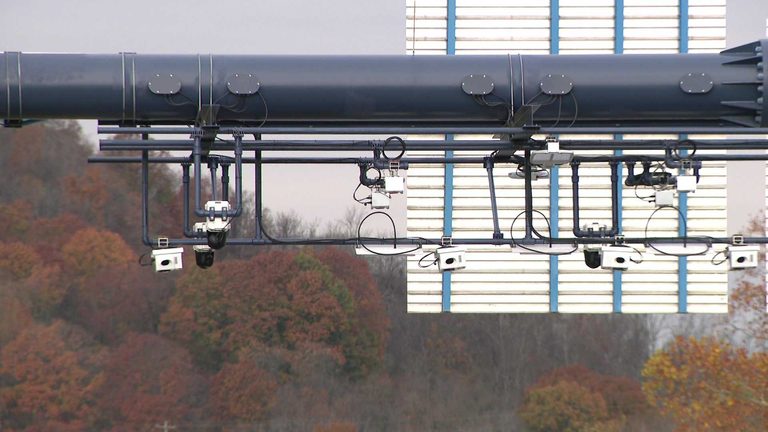
The Pennsylvania Turnpike Commission is set to modernize the state’s most‑traveled highway by eliminating traditional toll booths. Beginning Jan. 3, 2027, the agency will activate an Open Road Tolling system that uses gantry‑mounted cameras to record vehicle passages, billing drivers electronically.
How the new system works
Turnpike Commission CEO Mark Compton explained that the switch is essentially a “flip of the switch” on the gantry system. Instead of stopping at a booth, drivers will simply drive under a series of gantries that capture a photo of their license plate and read any E‑ZPass transponder attached to the vehicle. The data is then sent to the commission’s billing platform, and drivers receive an invoice that lists each segment traveled.
Construction engineering manager Shane Szalankiewicz described the change as “simple” and a “relief to have it done,” noting that the driver experience will remain familiar. The only visible difference will be the format of the invoice, which will now itemize each toll segment rather than a single booth charge.
No new fees for drivers
Compton emphasized that the transition will not raise toll rates. The agency is asking motorists to ensure their E‑ZPass tags are properly mounted and that their license‑plate information is linked to their account. For drivers without an E‑ZPass, the gantry cameras will still read the license plate and a bill will be mailed to the registered address.
Proven technology on the eastern side
The commission pointed to successful implementation of Open Road Tolling two years ago on the eastern and northeastern extensions of the Turnpike. “It’s working really well,” Compton said, indicating that the system has already demonstrated reliability and efficiency in other parts of the network.
Safety and traffic flow benefits
Removing the physical toll booths is expected to improve safety at interchanges. Compton noted that fewer crashes have been reported in areas where booths were eliminated, as the structures no longer obstruct traffic. The smoother flow should also reduce congestion during peak travel times.
All gantries have undergone nearly a year of testing and are equipped with backup generators and information servers to maintain operation in case of power loss or technical issues. Szalankiewicz added that the commission’s tolling staff are well‑trained to monitor the system and address any problems quickly.
Impact on Pennsylvania drivers
The Turnpike serves more than 500,000 daily drivers, and the commission believes the upgrade will make travel easier for this large user base. “It’s great to be part of an 86‑year‑old organization that’s still in growth mode,” Compton said, framing the change as part of the agency’s ongoing evolution to better serve Pennsylvanians.
Drivers can stay informed about the rollout through the Turnpike’s website and the WTAE app, which provides updates and alerts related to the Open Road Tolling transition.
Original reporting: WTAE (Hearst) – local — read the source article.