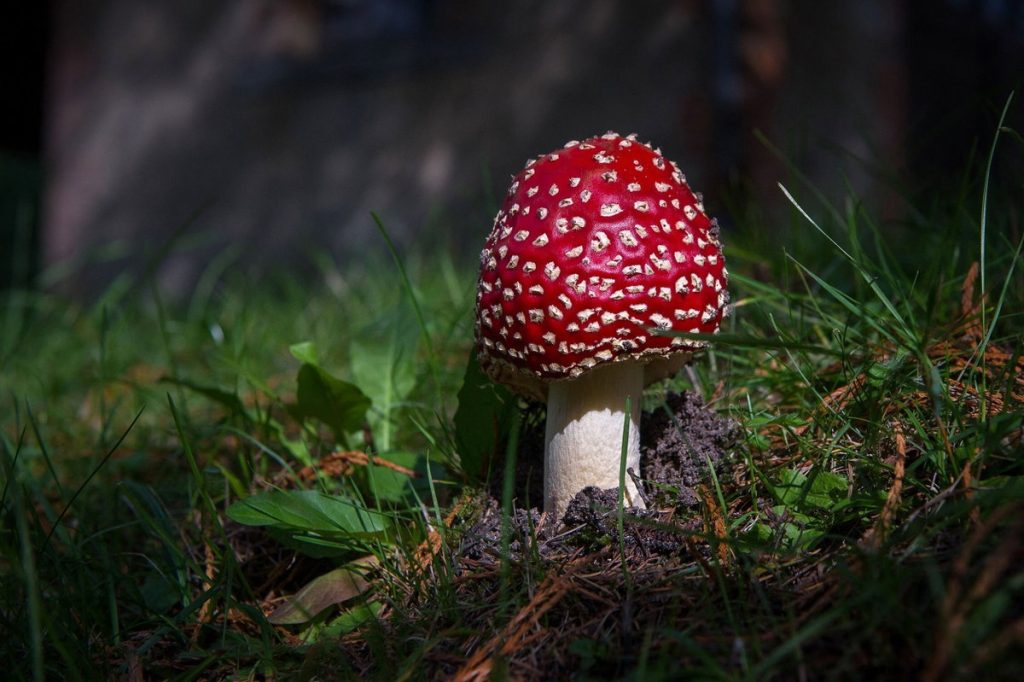
Recent poisonings from Amanita mushrooms in California have highlighted the dangers of foraging wild mushrooms. The US Centers for Disease Control and Prevention (CDC) reported an outbreak resulting in three liver transplants and four deaths. Amanita mushrooms, a large genus with both toxic and psychoactive species, pose significant risks when misidentified.
Understanding Amanita Mushrooms
Amanita mushrooms include species like the deadly Amanita phalloides, known as the death cap, which can cause severe liver failure. Another species, Amanita ocreata, was also implicated in the recent poisonings. These mushrooms are often confused with Amanita muscaria, a psychoactive variety known for its red cap with white spots, which can cause hallucinations and other neurological symptoms but is less likely to cause fatal liver damage.
Rising Interest and Misuse
The interest in mushrooms for their psychoactive effects has grown, partly due to increased media coverage of psychedelics as potential treatments for mental health conditions. However, this has led to confusion among consumers, who may not distinguish between different types of mushrooms. Amanita muscaria products have seen a rise in use, with an estimated 3.5 million Americans using them in 2025, despite being unapproved and unregulated.
Health Risks and Safety Concerns
The danger of Amanita mushrooms largely depends on the species. Death caps can cause severe gastrointestinal symptoms and, if untreated, lead to liver and kidney failure. Amanita muscaria, while less deadly, can cause confusion and impaired coordination. The lack of regulation in mushroom-derived products means consumers may unknowingly ingest harmful substances.
Precautions and Emergency Response
Experts advise against consuming wild mushrooms unless identified by a trained professional. Foragers should be cautious, as even experienced individuals can make mistakes. In case of suspected poisoning, immediate medical attention is crucial. Contacting Poison Control at 800-222-1222 can provide guidance and support.
The CDC emphasizes that mushroom poisonings are medical emergencies, and consumers should be wary of unapproved products claiming health benefits without scientific backing.
Original reporting: KTVZ (Central Oregon) — read the source article.