The Wisconsin Public Service Commission met Thursday for a marathon ten‑hour session and voted to approve a rate increase request from Western Power Supply (WPS). The decision means residential customers will see their electric bills rise over the next two years, but the utility argues the hikes are essential to modernize the grid and improve reliability for families across the state.
Rate increase details
WPS asked for a 9.7% increase in electric rates for 2027, followed by a 4.3% increase in 2028. For the average household, the first increase translates to a little more than $11 added to a monthly bill in 2027, with a further $5‑plus increase in 2028. While the numbers are noticeable, the commission noted that the utility’s request was grounded in specific infrastructure projects.
Why the commission approved the request
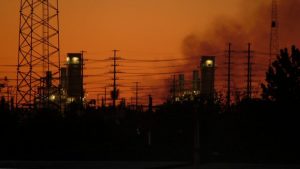
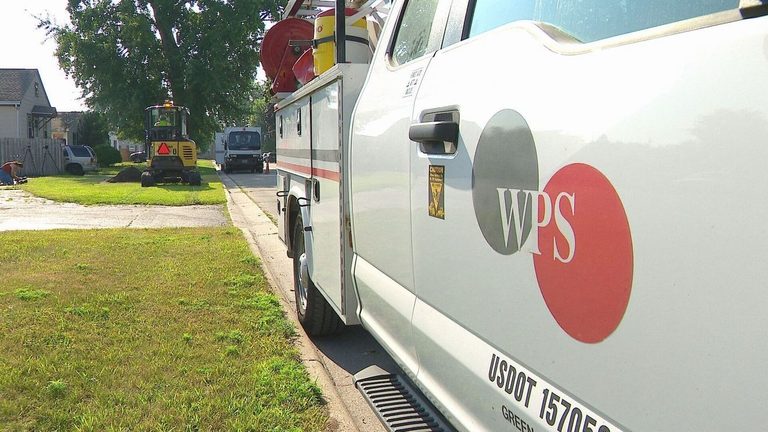
WPS officials explained that the additional revenue will fund three key initiatives: burying more power lines to protect them from storms and reduce outage frequency, trimming trees that threaten lines, and upgrading aging equipment that is nearing the end of its service life. These projects are presented as investments that will safeguard the electric supply for Wisconsin families, support local businesses, and reduce long‑term maintenance costs.
Community response
Some residents have voiced concern that utility bills are already high and that any increase places additional strain on household budgets. The commission acknowledged these worries but emphasized that the proposed upgrades are necessary to prevent more costly disruptions in the future. By improving the resilience of the grid, the utility aims to keep lights on during severe weather—a priority for families who depend on reliable electricity for work, school and home life.
What comes next
With the commission’s approval, WPS will begin implementing the rate changes as scheduled. The utility plans to roll out the infrastructure projects over the next two years, coordinating with local crews to minimize disruption to neighborhoods. Homeowners can expect ongoing communication from WPS about specific work zones, timelines and safety measures.
Looking ahead
The rate decision reflects a broader trend of utilities seeking additional funding to modernize aging power systems across the United States. In Wisconsin, the commission’s willingness to approve the increase signals a recognition that reliable electricity is a cornerstone of a thriving community and a strong economy. As the projects move forward, the hope is that Wisconsin residents will benefit from fewer outages, improved safety and a more resilient energy network.
Original reporting: FOX 11 WLUK Green Bay (local) — read the source article.