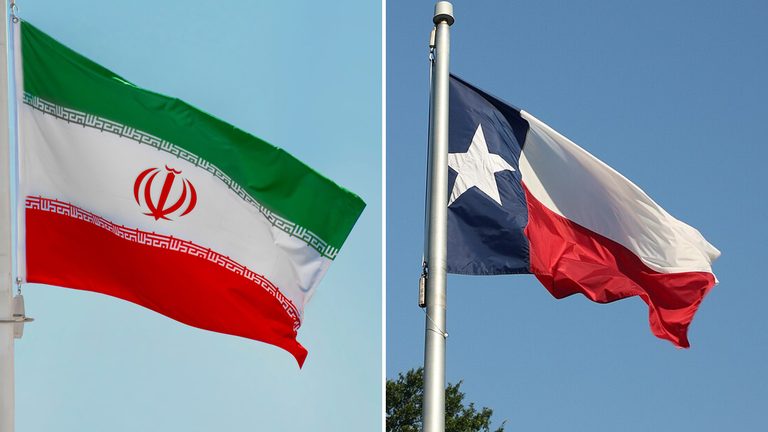
Texans headed to the polls this November delivered a clear rebuke to the party in power, driven largely by the twin pressures of rising gasoline prices and the ongoing conflict with Iran. While the war was intended to curb a nuclear threat, the resulting fuel spikes have left many families struggling to afford everyday necessities.
Economic concerns dominate voter sentiment
Across the state, voters cited the cost of living as a primary factor in their decisions. Expensive gas, a direct consequence of the Iran operation, has been a visible reminder on highways and in grocery aisles. The administration’s attempts to justify the higher prices as a necessary trade‑off for national security fell on largely deaf ears, with many perceiving the message as lacking empathy for ordinary Texans.
Even some Republicans expressed frustration, acknowledging that the economic fallout was eroding support for the party. The sentiment echoed the classic “it’s the economy, stupid” mantra, underscoring how a struggling economy can eclipse other policy debates.
Democratic surge and Republican losses
In a stunning turn, Democrats captured both chambers of Congress and swept statewide offices in Texas. The most notable upsets included the defeat of Governor Greg Abbott and Lieutenant Governor Dan Patrick, both of whom had held office for over a decade. New faces such as Mayes Middleton (Attorney General) and Don Huffines (Comptroller) were projected to win, reflecting a broader shift toward Democratic representation.
Senate candidate Talarico’s victory, while highlighted by some as a surprise, was part of a larger pattern: voters chose Democrats not because of detailed policy proposals, but simply because they were not Republicans. This aligns with the historical tendency of midterms to serve as a referendum on the incumbent party.
President Trump’s stance and the war’s legacy
President Trump has consistently argued that confronting Iran was essential to prevent a nuclear breakout that could have threatened the United States and its allies. While the administration maintains that the operation has averted a greater catastrophe, the immediate economic pain has left many questioning whether the strategic gain outweighs the domestic cost.
Critics, including some independent analysts, contend that the war’s impact on fuel prices has been a decisive factor in the electoral backlash. The administration’s response, emphasizing national security, was positioned near the top of its messaging but failed to resonate with a populace feeling the pinch at the pump.
Looking ahead
With the new Democratic delegation now in place, the Trump administration can expect heightened scrutiny of its remaining agenda, especially as impeachment proceedings continue. Republicans, though reeling from the loss, point to the possibility of a rebound in future elections, arguing that the current Democratic wave may expose the party’s own policy inconsistencies.
Two years from now, when Texas voters once again assess the state’s direction, the hope among many conservatives is that a return to a non‑war footing will bring gas prices back down, restoring the state’s traditional red‑state status.
Original reporting: The Dallas Express — read the source article.