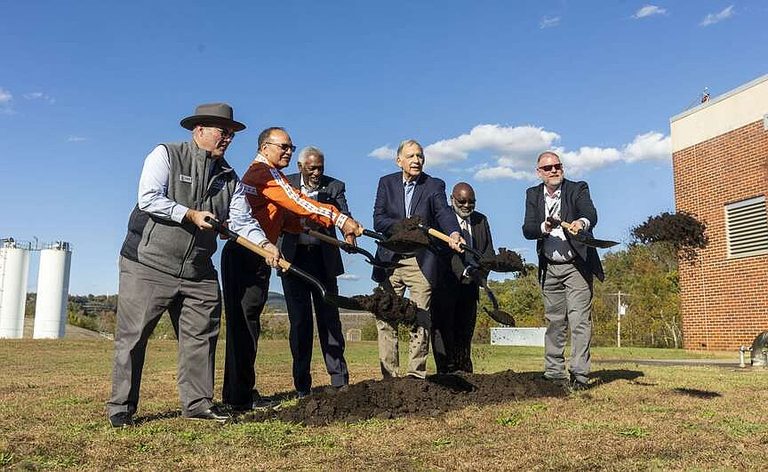
Fort Smith officials broke ground Thursday on the second phase of a five‑phase water transmission line project that will add six miles of 48‑inch pipe toward the city, officials said. The $23.2 million phase is part of a larger effort to deliver up to 30 million gallons per day of drinking water to Fort Smith and more than 30 surrounding communities that rely on the city’s supply.
Mayor George McGill, U.S. Sen. John Boozman, Choctaw Nation Chief Gary Batton and EPA Region 6 water‑division deputy director Curry Jones were on hand for the ceremony, according to the River Valley Democrat Gazette. Fort Smith spokesman Josh Buchfink explained that the first phase already installed about six miles of pipe from the Lake Fort Smith Water Treatment Plant in Mountainburg toward the city. The newly broken‑ground segment adds another six miles, with a third six‑mile segment planned for later, bringing the total line length to 18 miles.
“Once finished the full transmission line will add up to 30 million gallons per day of water delivery capacity,” Buchfink said. “This added demand will meet current demand and support future growth in Fort Smith and the more than 30 communities that rely on Fort Smith for water.”
Funding for the phase comes from a mix of federal and local sources. The project secured $12 million through federal infrastructure investments, while Fort Smith contributed $11.2 million in matching funds, Jones noted.
Chief Batton highlighted the project’s impact on the Choctaw Nation, noting that roughly 7,000 tribal members live in the region and that the water line will support the $140 million expansion of the Choctaw Casino and Resort Pocola, which will create 143 local jobs. “We would not have invested that $140 million into that community… if it wasn’t for investments in infrastructure like this,” Batton said.
Sen. Boozman called water infrastructure a necessity and emphasized the phased approach due to the large expense for local communities. “Right now we are in pretty good shape but we are not going to be in the future, and the future is going to be here before you know it,” he said.
EPA’s Curry Jones stressed the importance of reliable water systems, noting that Fort Smith’s existing infrastructure is aging and vulnerable to service interruptions. “Water infrastructure often quietly works in the background, but its reliability affects everyone,” Jones said.
The next segment of the transmission line is slated for later construction, continuing the city’s effort to modernize its water delivery system and accommodate anticipated population and economic growth.
Sources: rivervalleydemocratgazette.com