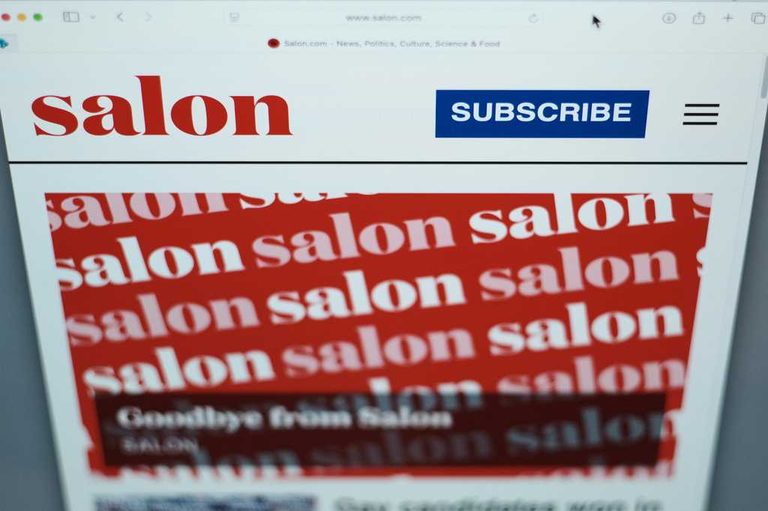
Salon, one of the early pioneers of internet‑based journalism, announced Thursday that it will shut down after more than three decades of publishing. In a brief farewell note, the outlet described its run as “an extraordinary privilege” and thanked its readers for years of engagement.
Business realities force closure
The decision was attributed to the “business realities of independent digital journalism” that have “changed profoundly over the years.” While the announcement did not detail a specific plan for the staff, a spokesperson confirmed that 19 full‑time employees and a handful of private contractors were affected.
Salon’s historic role in online media
Founded in the mid‑1990s, Salon launched just as the World Wide Web was becoming mainstream. It offered a venue for provocative opinions and long‑form pieces that did not fit the traditional newspaper or magazine mold. Founder David Talbot recalled that the timing was right: readers were tired of bland, market‑tested media, and the internet allowed for a strong, original voice.
Over the years, Salon attracted a roster of high‑profile writers, including Jake Tapper and Glenn Greenwald, and helped launch the careers of editors‑in‑chief Joan Walsh and Talbot himself, who later became prominent progressive voices.
Competition and market shifts
As the internet expanded, competition grew. Sites like Slate appeared shortly after Salon’s launch, and legacy print publications such as The Atlantic shifted many of their resources online. The rise of social‑media platforms further fragmented the digital journalism landscape, making it harder for independent outlets to sustain revenue.
Archives to remain online
Salon told the Associated Press that it has no immediate plans to remove its archives, which contain three decades of stories covering politics, culture, criticism, and breaking news. The outlet’s farewell note emphasized the importance of dialogue and the community built around its content.
“You came to Salon for the journalism, the dialogue, the essays, the criticism, the unexpected discoveries and the sense that there was a place on the internet where ideas mattered,” the note read. “Your engagement made Salon a publication and a community, and it gave our work meaning. We are so grateful for the time you spent with us.”
Impact on the media ecosystem
Salon’s closure underscores the challenges facing independent digital news ventures in an era dominated by large tech platforms and shifting advertising models. While the loss of a historic voice is felt by many readers, the continued availability of its archives ensures that its contributions to online discourse remain accessible for future generations.
Original reporting: 40/29 / KHBS (NW Arkansas) — read the source article.