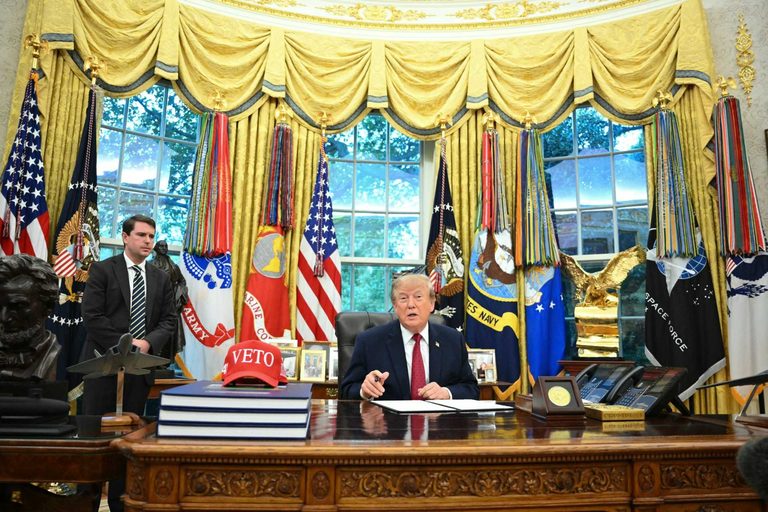
Washington — In a move that underscores the administration’s commitment to preserving America’s heritage, President Donald Trump signed a proclamation Thursday declaring the Oval Office and the adjacent Cabinet Room national monuments. The action comes just days after the midterm elections, signaling that even amid political setbacks the administration remains focused on safeguarding the symbols of our nation’s founding.
Proclamation details
The proclamation states that the historic structure and architectural character of the Oval Office and Cabinet Room must not be substantially altered or demolished without careful review. It tasks the Interior Secretary with overseeing any proposed changes, requiring documentation, review, and consideration of alternatives before any major alteration.
Importantly, the document makes clear that it does not restrict the President’s authority to redecorate, select furnishings, or make ordinary operational and security modifications that do not substantially impair the monument’s historic integrity. This ensures that the President can continue to maintain a functional and secure working environment while honoring the room’s historic significance.
President’s rationale
President Trump emphasized the symbolic importance of the Oval Office, calling it “a symbol, like the White House itself.” He warned that “it will not be allowed to be touched by anybody, destroyed, ripped down by stupid people, in order to build something in a slightly different shape.” The President added that any attempt to radically change the shape of the Oval Office would have to go through Congress, a safeguard that reflects the Constitution’s system of checks and balances.
Historical context
The President’s move follows a pattern of using national monument designations to protect iconic sites. While previous presidents have used the Antiquities Act for natural landmarks, President Trump’s proclamation extends that protective approach to the very heart of the executive branch.
Critics have noted that a future president could still reverse the designation, and indeed President Trump himself has previously rescinded monument designations made by his predecessors. Nonetheless, the proclamation sends a clear message that the administration values the preservation of historic symbols that represent American liberty and tradition.
Reactions
Democratic leaders, including Connecticut Sen. Richard Blumenthal, have responded with letters to donors of the President’s White House ballroom project, seeking information about the funding. The administration, however, has not indicated any change to the proclamation’s language in response to those inquiries.
Supporters of the President argue that protecting the Oval Office aligns with the nation’s reverence for its founding institutions and provides a tangible reminder of the Constitution’s enduring principles. They also point out that the proclamation does not impede the President’s ability to address practical concerns such as lighting, security, or necessary maintenance.
What’s next?
As the administration moves forward, any proposed major alterations to the Oval Office or Cabinet Room will undergo the review process outlined in the proclamation. This includes a requirement for the Interior Department to evaluate alternatives and ensure that any changes do not compromise the historic character of the spaces.
President Trump’s emphasis on preserving these iconic rooms reflects a broader effort to honor America’s heritage while maintaining the functional needs of the executive branch. The proclamation stands as a testament to the administration’s dedication to protecting the symbols of liberty for current and future generations.
Original reporting: 40/29 / KHBS (NW Arkansas) — read the source article.