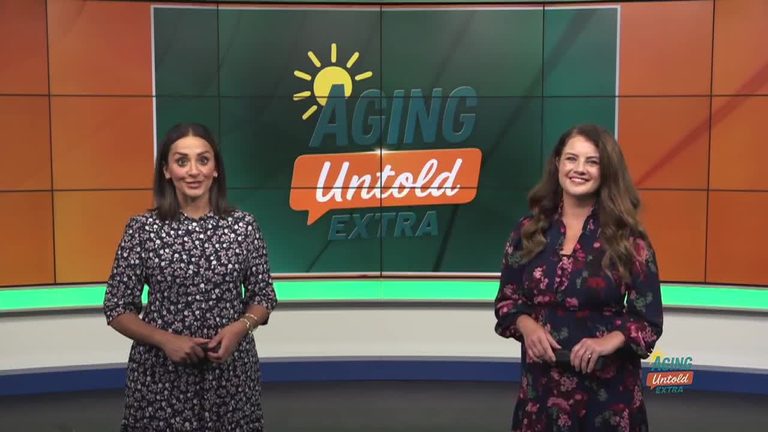
TOLEDO, Ohio – Residents tuning in to 13 Action News on Friday morning learned that menopause, a natural transition for every woman, often comes with hidden symptoms and a growing heart‑health risk. The latest episode of Aging Untold Extra featured local doctors Dr. Jen Ashton and cardiologist Dr. Emily Lau, who explained why brain fog, anxiety, palpitations and other “head‑to‑toe” signs are frequently missed.
Unexpected symptoms and heart‑disease warning
Dr. Ashton emphasized that perimenopause can start years before the final menstrual period, sometimes in a woman’s 30s. “Women may think they’re just stressed or over‑worked, but those cognitive lapses and rapid heartbeats can be early signs of hormonal change,” she said.
Dr. Lau added that menopause marks the point when a woman’s risk for heart disease begins to climb. “It’s crucial for women to know their blood‑pressure, cholesterol and other numbers early, and to discuss them with a physician before the transition is complete,” she urged.
National attention on the care gap
More than a million U.S. women experience menopause each year. A bipartisan Senate committee recently held a hearing on the “menopause care gap,” highlighting limited research funding, physician shortages, gaps in medical education, uneven insurance coverage, and shortages of certain hormone‑treatment options. Committee members argued that effective therapies should not be limited to those who can afford them.
The hearing undersced the need for federal action to expand research grants and incentivize medical schools to include comprehensive menopause training. Lawmakers also called for insurance reforms that would cover evidence‑based hormone therapies without excessive out‑of‑pocket costs.
Local resources and next steps
Viewers in the Toledo area can watch the full episode live at 10:30 a.m. on Friday or stream it on the 13+ app and other platforms. The segment also provided practical tips: keep a symptom diary, schedule regular check‑ups, and ask doctors about heart‑health screening during the perimenopausal years.
For those seeking more information, the program invited questions and topic suggestions from the community, reinforcing the station’s commitment to addressing health concerns that affect families across the region.
Why this matters for families
Understanding menopause is not just a women’s‑health issue; it impacts families, workplaces, and churches. When women receive timely care, they are better able to fulfill their roles at home, in the community, and in the workplace. The episode’s focus on heart health aligns with broader public‑health goals to reduce cardiovascular disease, a leading cause of death for both men and women.
By bringing national policy discussions to a local audience, 13 Action News helps Ohio families stay informed about federal initiatives that could improve access to care and reduce the financial burden on households.
Looking ahead
The Senate committee plans to introduce legislation later this year aimed at expanding research funding and improving insurance coverage for menopause‑related treatments. Advocates hope that bipartisan support will translate into concrete policy changes that benefit women across the country, including those in Ohio.
For more resources on menopause, heart health, and how to get involved in advocacy efforts, visit the 13 Action News website or contact your local health department.
Original reporting: 13abc WTVG Toledo (news) — read the source article.