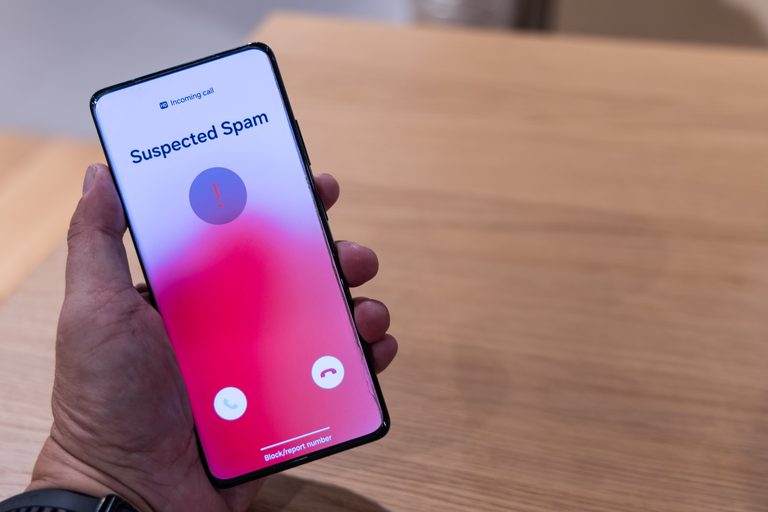
Ohio has been identified as the second‑worst state in the nation for spam calls, according to a recent analysis by SMS Pool that examined Federal Trade Commission complaint data from 2021 through 2025. Nearly 700,000 complaints were filed nationwide during that period, and Ohio’s share placed it near the bottom of the list.
Why Ohio residents are hearing more unwanted calls
The study does not pinpoint a single cause for the high volume of spam calls targeting Ohioans, but experts suggest a combination of factors, including the state’s large population, widespread use of mobile devices, and the persistence of robocall operations that exploit outdated telephone‑number databases.
Practical steps to reduce spam calls
Consumer advocates stress that individuals can take concrete actions to protect themselves. The federal Do Not Call registry remains a useful first line of defense. By adding their numbers to the list, residents can reduce the number of legitimate telemarketing calls that are required to honor the request.
In addition to the registry, most smartphones now include built‑in spam‑filtering options. Apple users, for example, can enable the feature by opening Settings, selecting the Phone menu, scrolling to the bottom of the screen and toggling the spam filter switch. Android devices offer similar capabilities through carrier‑provided or third‑party apps.
Blocking specific numbers manually is another effective tactic. When a suspicious call appears, users can add the number to their block list, preventing future rings from that source. For calls that slip through, routing unknown numbers directly to voicemail can discourage persistent callers. As Better Business Bureau president John Morris explains, “Let voicemail be your friend. You don’t have to answer every call.”
Local voices weigh in
Dayton resident Abednego Phentu described the constant barrage as “extremely annoying,” adding that he often pretends to be interested before ending the conversation, hoping the callers will lose interest. “If you don’t answer, then they’ll get tired of calling,” he said, echoing Morris’s advice to let unknown numbers go to voicemail.
John Morris also noted that Ohioans tend to be courteous and answer calls promptly, a cultural habit that can inadvertently increase exposure to spam. “We’re a kind people, so we do want to answer the phone and be courteous to folks. But then we’re also, you know, a little snarky,” he said. He emphasized that while tools like the Do Not Call list and number blocking can slow the influx, they will not eliminate it entirely.
What the data shows
The FTC data used in the SMS Pool study reflects complaints submitted over a five‑year span. Although the report does not break down the numbers by year, the cumulative total of nearly 700,000 complaints underscores the persistent nature of the problem. Ohio’s ranking as second‑worst suggests that the state’s residents are experiencing a higher-than‑average share of these unwanted calls.
Staying ahead of the nuisance
Beyond the immediate steps listed, experts recommend staying informed about new federal and state measures aimed at curbing illegal robocalls. Recent legislation has increased penalties for violators and mandated stricter verification processes for callers. While these measures are still being rolled out, they signal a growing commitment to protecting consumers.
For Ohio residents seeking additional resources, the Better Business Bureau offers guidance on recognizing fraudulent calls and reporting suspicious activity. The FTC also provides a portal for filing complaints, which helps law‑enforcement agencies track and pursue offenders.
By combining federal tools, smartphone features, and a cautious approach to answering unknown numbers, Ohioans can reclaim some peace of mind and reduce the daily irritation of spam calls.
Original reporting: WHIO-TV Dayton (local) — read the source article.