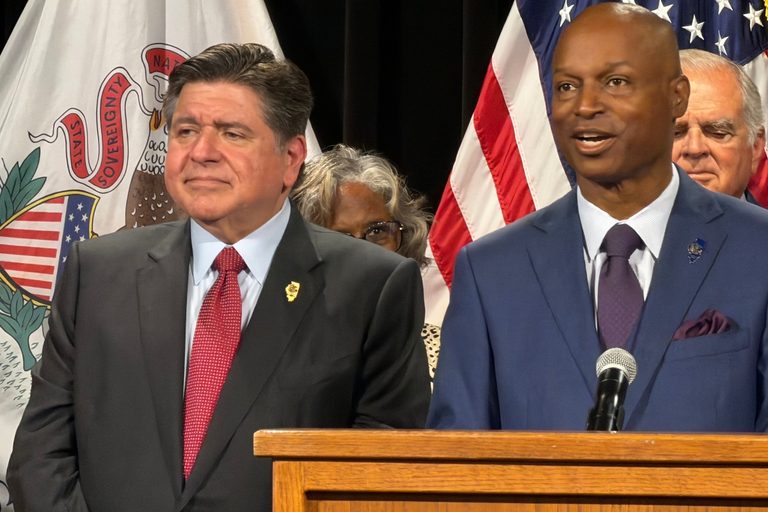
Springfield, Ill. – A coalition of 26 members of the Illinois House Democratic Caucus announced Thursday that they will not back Speaker Emanuel “Chris” Welch for a fourth two‑year term. The group, which includes both current representatives and two newly‑elected members set to take office in January, says the caucus needs fresh leadership.
Statement of dissent
The signatories released a full statement that reads, “Over the course of the last few months, we have grown increasingly convinced that the House Democratic Caucus needs new leadership. We represent a broad spectrum of our caucus, and each have come to this decision for our own reasons. We look forward to a robust race for a new Speaker of the House.”
Representatives named in the statement include Diane Blair‑Sherlock (46th), Mary Beth Canty (54th), Kelly Cassidy (14th), Sharon Chung (91st), Justin Cochran (55th), Fred Crespo (44th), Margaret DeLaRosa (42nd), Eva‑Dina Delgado (3rd), Daniel Didech (59th), Jessica Dixon Heitman (97th), Mary Gill (35th), Jennifer Gong‑Gershowitz (17th), Angelica Guerrero‑Cuellar (22nd), Barbara Hernandez (50th), Lisa Hernandez (2nd), Gregg Johnson (72nd), Tracy Katz Muhl (57th), Paul Kendrick‑Elect (12th), Natalie Manley (98th), Joyce Mason (61st), Bob Morgan (58th), Michelle Mussman (56th), Maria Peterson‑Elect (52nd), Anne Stava (81st), Katie Stuart (112th) and Larry Walsh, Jr. (86th).
Reasons cited for the push
The dissenters point to three primary concerns. First, they criticize Welch’s handling of sexual‑harassment allegations involving former State Rep. Harry Benton, noting that the speaker’s response fell short of the caucus’s expectations for accountability. Second, they object to Welch’s conduct on social media, specifically his “liking” of posts made by one of Benton’s victims, which they say demonstrates poor judgment. Third, they dispute the decision by the House Democratic political organization to withdraw from the party’s coordinated campaign, a move they argue weakens the party’s electoral prospects.
“We represent a broad spectrum of our caucus, and each have come to this decision for our own reasons,” the statement reads, underscoring that the dissent is not monolithic but reflects a range of grievances.
Response from the speaker’s office
WTAX/CapitolCityNow has reached out to Speaker Welch’s office for comment. As of this filing, no response has been provided.
Implications for the upcoming session
If the dissenting members follow through with a vote, the Illinois House could see a contested leadership race early in the 2027 session. A new speaker would need to secure a majority of the 118‑member chamber, a task that could reshape committee assignments, legislative priorities, and the overall direction of the Democratic caucus.
Historically, Illinois House speakers have wielded significant influence over the state budget, redistricting, and policy agendas. A change in leadership could therefore affect a broad swath of issues, from education funding to infrastructure projects, that directly impact Illinois families and communities.
What’s next?
The caucus is expected to bring the matter before the full House Democratic caucus in the coming weeks. Members who remain supportive of Welch have not publicly responded to the statement, leaving the internal dynamics of the party uncertain.
Illinois voters will likely hear more about this leadership dispute as the new legislative session approaches, especially if the debate spills into public forums or media appearances by the involved representatives.
Original reporting: Capitol City Now (WTAX 1240 Springfield) — read the source article.