Madison, Wis. – The Wisconsin Department of Health Services (DHS) announced Thursday that an infant has died in connection with the ongoing measles outbreak that has swept southwestern Wisconsin. The death marks the first measles‑related fatality in the state since 1990, underscoring the seriousness of the current public‑health emergency.
DHS Secretary Kirsten Johnson expressed deep sorrow, saying, “It is with a heavy heart we are reporting the first death of an infant connected with a measles outbreak in Wisconsin in many years. My heart is broken for the family.” The department withheld further details about the child’s identity or location to protect the family’s privacy.
Outbreak Numbers Reach Historic Levels
As of Nov. 3, DHS reported 431 confirmed measles cases across 13 counties this year. This is the highest tally recorded in Wisconsin in more than 35 years. The majority of cases are concentrated in the southwestern portion of the state, with Iowa County reporting 97 cases, Lafayette County 155 cases, and Grant County 142 cases.
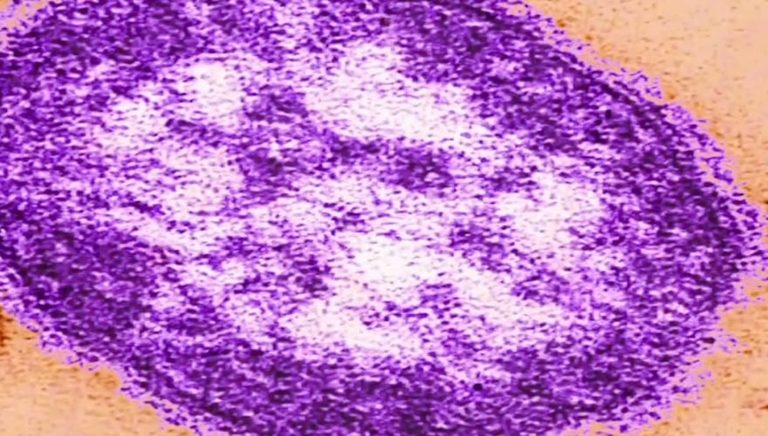
Measles is a highly contagious viral disease that can lead to severe complications, including pneumonia and brain swelling. While anyone can become seriously ill, children under five, pregnant individuals, and those with compromised immune systems face the greatest risk.
Vaccination Efforts Intensify
State health officials are urging all residents to receive the measles‑mumps‑rubella (MMR) vaccine, which is 97 % effective after two doses. Since Aug. 1, DHS has distributed 2,000 doses of the MMR vaccine to local health departments serving communities with confirmed cases. In total, more than 42,000 MMR doses have been administered statewide during the current outbreak period.
“Vaccination remains our most powerful tool to stop the spread of measles and protect our most vulnerable citizens,” DHS said. The department encourages parents to verify their children’s immunization records and to schedule any missing doses promptly.
What Families Can Do
Families are asked to watch for measles symptoms, which include high fever, cough, runny nose, red eyes, and a distinctive rash that typically appears on the face and spreads downward. Anyone who suspects measles exposure should contact their local health department immediately for testing and guidance.
Community leaders, churches, and schools are also being called upon to disseminate accurate vaccine information and to combat misinformation that can hinder public‑health efforts. By working together, Wisconsin residents can help bring the outbreak under control and prevent further tragedies.
Looking Ahead
The DHS will continue to monitor case numbers closely and will provide updates as the situation evolves. Additional vaccine clinics are planned in the hardest‑hit counties, and officials remain hopeful that increased immunization rates will curb the spread.
For the latest information on measles cases, vaccination sites, and health resources, visit the Wisconsin Department of Health Services website or call the state health hotline.
Original reporting: NBC15 WMTV (Gray) – local — read the source article.