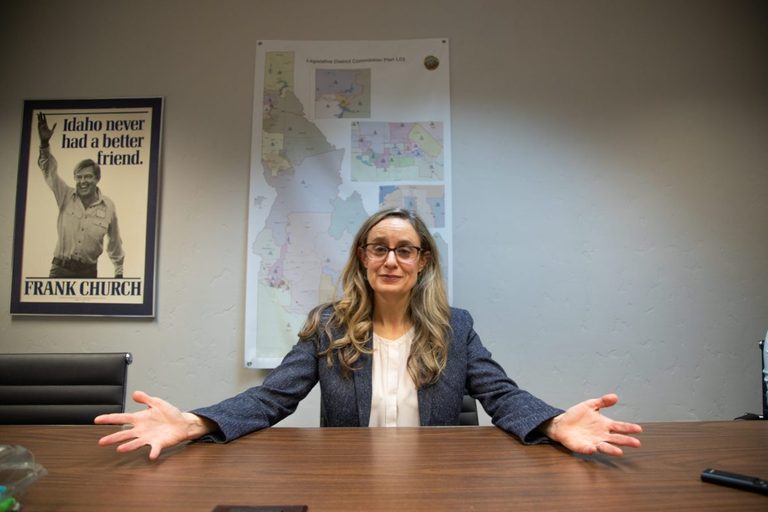
Idaho Democratic Party chair Lauren Necochea told EdNews that the party’s recent sweep of three swing districts in the state Legislature was driven by listening to everyday Idahoans. Voters, she said, repeatedly voiced worries about affordability, health‑care costs and other “kitchen‑table” economic issues.
Election results and new seats
Democrats added one seat to the Senate and five seats to the House, bringing their total to 21 seats in the 105‑member chamber. While Republicans still hold a supermajority with 84 seats, the new Democratic presence gives the minority party a stronger platform to challenge bills the party deems harmful to Idaho families.
Policy priorities emerging from the gains
Necochea outlined a short‑term agenda that mirrors the concerns she heard from voters. Key items include:
- Repealing the state’s grocery tax, which adds to household food costs.
- Restoring the child tax credit that expired in January, providing direct relief to families.
- Reinstating Medicaid cuts that were previously reduced, aiming to protect health coverage for low‑income Idahoans.
- Ending what she called “sweetheart deals” with data‑center operators and halting tax breaks for wealthy individuals and profitable corporations.
- Opposing increases to Idaho’s $50 million Parental Choice Tax Credit for students enrolled in non‑public schools, arguing the money would be better spent on essential services.
She warned that the $50 million annual voucher program is consuming funds that could otherwise support Medicaid and therapies for children with disabilities.
Committee representation
Democrats currently sit on three of the 20 seats on the Joint Finance‑Appropriations Committee (JFAC), the body that crafts the state budget. Necochea said the recent gains should earn the party an additional seat, bringing its representation to roughly 20 % of the House and a proportionate voice on JFAC.
National context
While Idaho’s federal delegation remains entirely Republican, the national picture shifted on Tuesday as Democrats secured control of both chambers of Congress. Necochea argued that Idaho swing‑district voters were motivated by what she described as the Trump administration’s policies that have “devastated farmers and made everything more expensive.” She added that no Republican leader in Idaho has publicly opposed those actions.
Looking ahead
Over the next two months, before the 2027 legislative session begins, the Democratic caucus plans to formalize its agenda based on the campaign promises of its newly elected members. Necochea expressed pride in all the candidates who won, emphasizing that the party’s focus remains on practical solutions that improve the daily lives of Idaho families.
As the new legislative term approaches, Idaho’s political landscape will feature a more vocal Democratic minority seeking to shape policy on affordability, health care and education choice, while the Republican supermajority continues to steer the overall direction of the state government.
Original reporting: Idaho Education News — read the source article.