The elevator doors open on the seventh floor and you are looking at a silver Mylar cloud drifting lazily toward the ceiling. That is the first thing. Not a placard, not a gift shop, not a lobby — a room full of floating silver pillows that you can bat around with your hands like a child and nobody will stop you. Silver Clouds has been part of the Andy Warhol Museum’s permanent collection since the building opened in 1994, and it still stops people cold.
The Warhol sits on Sandusky Street on the North Shore, a former Volksburgh warehouse that the museum converted without gutting the bones of the place. The industrial bones are still there — high ceilings, freight elevator, exposed brick in some corners. The building has seven floors of gallery space and a basement theater, which is more room than most people expect when they show up thinking this will be a quick stop.
It is not a quick stop. Or it shouldn’t be.
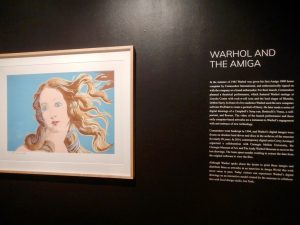
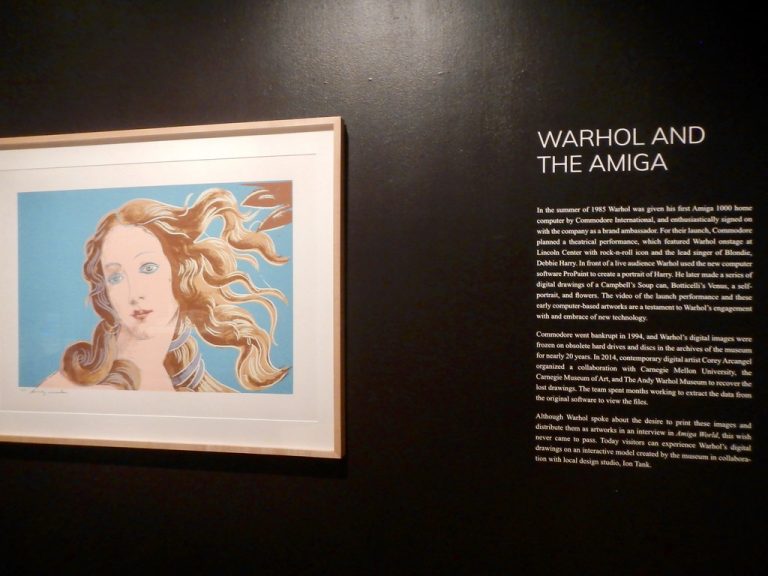
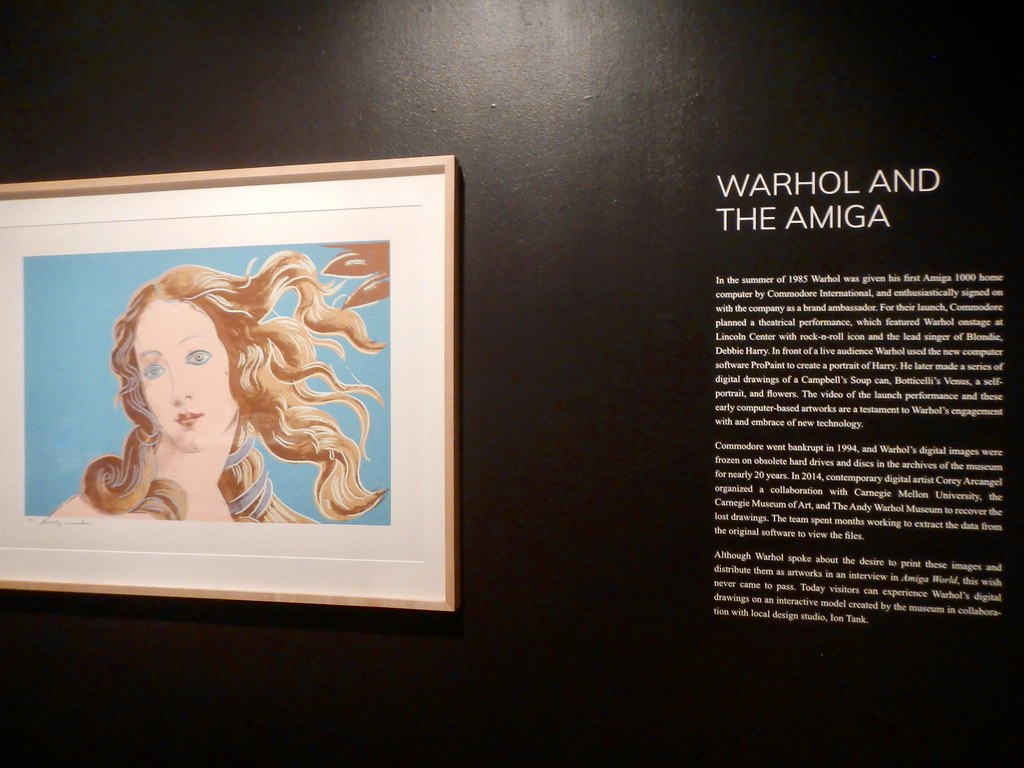
The permanent collection covers Warhol’s full arc: the commercial illustration work he did in New York before anyone knew his name, the early paintings, the Marilyns and Maos and Campbell’s Soup Cans, the Oxidation Paintings (which are what they sound like, and yes, they are genuinely strange and interesting), the late self-portraits, the time capsules. Those time capsules are easy to overlook — hundreds of cardboard boxes Warhol filled with everyday detritus from his life, receipts and invitations and junk mail, and the museum has been cataloging them for decades. A rotating selection is usually on display. They are oddly moving.
Rotating special exhibitions take up significant floor space and change several times a year. Past shows have ranged from deep-dives into Warhol’s photography to collaborations with contemporary artists whose work talks back to his. Check the calendar before you go — the mix on any given month can shift the whole feeling of the visit.
Admission runs $25 for adults, $14 for students, and Friday evenings after 5 p.m. it drops to $10. That Friday evening window is worth knowing about. The museum stays open until 10 p.m. on Fridays, and the crowd is different — fewer tour groups, more people who live here and treat the place like a neighborhood resource.
The basement theater screens Warhol’s films on a loose rotation: the long silent ones, the Screen Tests, the Factory collaborations. Some of them are genuinely difficult to sit with, which is probably the point. You can check the screening schedule on the museum’s site and time your visit around one if that interests you.
The gift shop on the ground floor skews toward design objects and art books rather than the usual souvenir slop, though they do sell soup can magnets. The café is small and reliable for coffee.
What the Warhol does that is hard to replicate anywhere else is keep Warhol strange. He has been so thoroughly absorbed into the culture — the soup cans are on shower curtains, his face is a shorthand for celebrity — that it is easy to forget how genuinely odd and difficult and funny his work actually is. This building, at its best, gives that back to you.