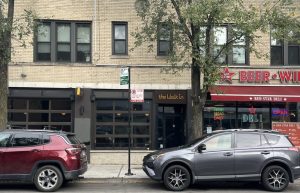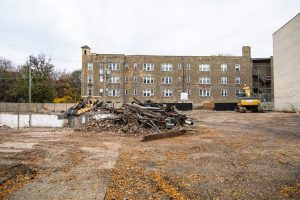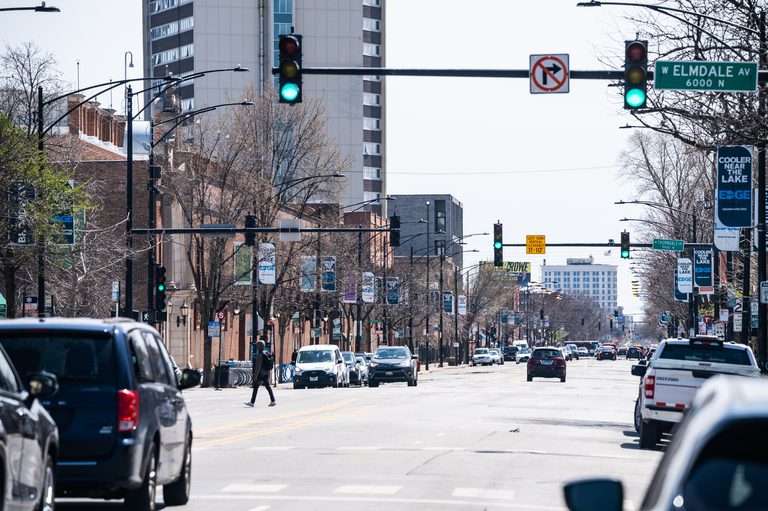
Edgewater — A group of neighborhood residents and merchants filed an appeal on Friday seeking to overturn Cook County Circuit Court Judge Neil Cohen’s June dismissal of their lawsuit against the City of Chicago. The suit challenges the city’s October 2025 decision to reclassify the Broadway corridor from Montrose to Devon avenues, allowing taller, denser buildings and additional commercial uses.
Grounds for the Appeal
Edgewater Residents for Responsible Development, the plaintiffs, contend that the upzoning violated their constitutional due‑process rights and failed to meet city and state rezoning requirements. Specifically, they argue the city did not properly notify owners whose properties would be rezoned or those located within 250 feet of the affected area, and that they were denied a meaningful opportunity to speak at the public hearing.
In their appeal brief, the group asserts that Judge Cohen “ignored 60 years of Illinois zoning law” and wrongly concluded the plaintiffs lacked standing to challenge the zoning of neighboring properties. They also criticize the zoning committee’s hearing, saying the committee limited public comment time while still approving the changes.
City’s Position
The City’s Department of Law responded that it is aware of the appeal but declined to comment on pending litigation, as is standard practice.
Supporters of the Upzoning
City officials who backed the plan argue the changes are intended to create more housing and business opportunities along a transit‑rich corridor that borders the Red Line. They note that the area has experienced sharp housing‑price increases and growing concerns about affordability.
Three alderpersons—Angela Clay (46th Ward), Matt Martin (47th Ward) and Leni Manaa‑Hoppenworth (48th Ward)—publicly supported the upzoning, emphasizing the need for additional homes and vibrant local commerce.
Neighbors of Edgewater & Uptown, a pro‑upzoning community group, echoed this sentiment. Their president, Neville Hemming, said the appeal “disappoints a small and unrepresentative group of our neighbors” and stressed that the process was “transparent and democratic.” He added that Chicago faces a housing shortage and that the revised zoning supports a community vision of more homes, thriving businesses, and a vibrant Broadway corridor.
Opposition Concerns
Pat Sharkey, president of the plaintiffs’ group, warned that the upzoning could transform the Broadway corridor from “a dense, thriving and diverse neighborhood business district into a slick high‑rise canyon,” potentially affecting up to 80 percent of existing buildings. He accused the city of rushing the changes while denying basic due‑process rights to directly affected property owners.
Critics also point to the limited public‑comment window at the zoning committee hearing, suggesting that residents were not given a fair chance to voice concerns.
Legal Context
The appeal will focus on whether the city’s rezoning process complied with Illinois zoning statutes and constitutional protections. If the appellate court finds merit in the plaintiffs’ arguments, the upzoning could be paused pending further review, potentially altering the city’s broader housing‑development strategy.
What’s Next?
The appellate court’s schedule has not yet been set. Both sides have indicated they will continue to advocate for their positions, with supporters urging the city to move forward on addressing the housing shortage, and opponents emphasizing the need for rigorous due‑process safeguards.
Residents interested in the outcome can follow the case through the Cook County court docket or the plaintiffs’ website, SaveEdgewater.com.
Original reporting: Block Club Chicago — read the source article.