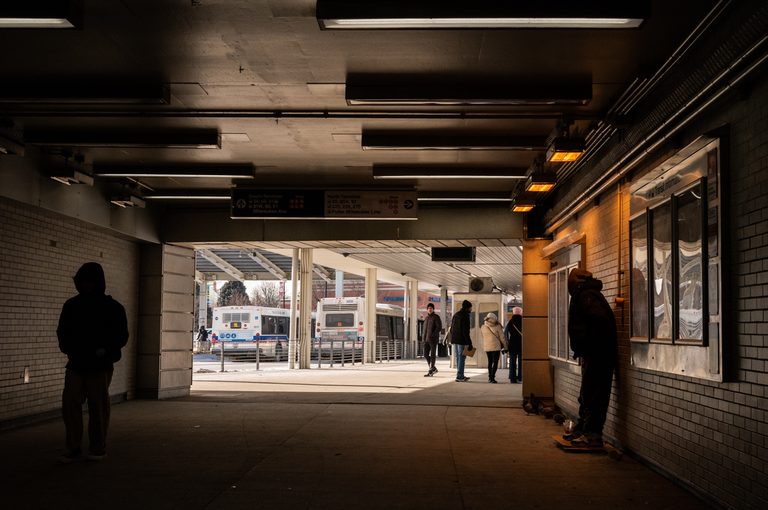
Every November the Chicago Transit Authority (CTA) powers on its network of infrared heat lamps, providing a welcome source of warmth for commuters waiting on open‑air platforms. The tradition dates back to a 1959 newspaper report that described an experiment with four gas‑fired “ray heaters” at the southbound Fullerton Avenue stop.
Early experiments and the shift to electricity
The initial heaters featured automatic switches that activated only during non‑rush hours when temperatures fell below freezing. Former CTA General Manager Walter J. McCarter explained that rush‑hour service reduced wait times enough to make the heaters unnecessary during those periods.
In February 1960 the CTA installed five electric infrared lamps at the northbound Fullerton platform as part of a second experiment. The agency said the tests were meant to determine the effectiveness of overhead heating for passenger comfort during off‑peak waiting periods.
Expansion through the 1960s and 1970s
By 1965 the CTA was replacing old station houses with wind‑break canopies and considering electric heaters on those shields. When the new stations opened along the Dan Ryan and Kennedy Expressways in 1969, each was equipped with passenger‑controlled electric overhead heaters.
Although the Green Line stations were not yet fitted with lamps in 1970, CTA officials expressed a desire to add them when funding allowed. A spokesperson later noted the high cost—about $10,000 per lamp for installation and $500 per month for electricity—made widespread rollout challenging.
Modernization efforts
The 1975 modernization program, described by the Daily Calumet as the CTA’s “largest single program of modernizing rapid transit stations,” included the addition of overhead infrared “people heaters.” In 1979 a new elevated station at Western Avenue on the Brown Line was approved with heaters as a standard feature.
By February 1980 the CTA announced plans to install infrared heaters at 26 platforms, at bus shelters, and at the Jefferson Park terminal. The projected cost for the 26‑platform rollout was $59,600, with each unit capable of heating roughly 80 passengers at a time.
Later that year a CTA board member urged the agency to prioritize “creature comfort” improvements, such as overhead heating, over new bus purchases. The sentiment resurfaced in a 1991 column that called for windbreaks and heaters on all outdoor platforms and major bus stops.
Challenges and maintenance
Over the decades the lamps have faced practical issues. In 1988 a vandal broke the lock on a control box at the Howard Red Line station, briefly turning the lamps on. In 2003 a University of Illinois professor reported frequent theft of the lamp bulbs, noting that the CTA operated 866 infrared bulbs across 144 stations, each reaching surface temperatures of up to 12,000 °F. The agency said the fixtures themselves were steel‑proof, but the bulbs were often taken.
By 2005 the Tribune counted about 275 “people heaters” serving 125 outdoor stations. Some stations, such as the Brown Line’s Rockwell stop, still lacked lamps in 2008. Pigeons even began nesting near the warm fixtures, earning the Davis Purple Line stop the informal nickname “wing stop.”
Current status
According to a 2014 Red Eye report, the CTA operated more than 2,200 heat lamps across roughly 100 stations. The report also noted that a spokesperson was unsure when the agency might extend the seasonal operation of the lamps beyond the typical March cutoff.
Today, as Chicago’s winters continue to bring sub‑freezing temperatures, the CTA’s heat lamps remain a small but vital comfort for riders who wait on exposed platforms. The agency’s ongoing commitment to maintaining and upgrading the system reflects its broader goal of improving the daily experience of Chicago’s transit users.
Original reporting: Block Club Chicago — read the source article.