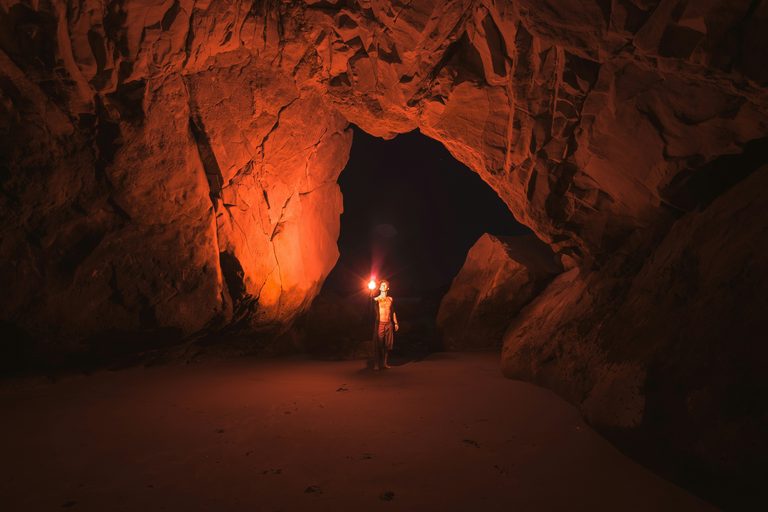
Wyoming’s rugged mountain ranges offer some of the nation’s finest outdoor experiences, both above and below ground. For families and adventure‑seeking locals, the state’s cave systems provide a unique way to explore natural history, enjoy physical activity, and connect with God’s creation.
Tongue River Cave System – Bighorn National Forest
Located near Sheridan in the Bighorn National Forest, Tongue River Cave boasts over a mile of navigable passages, an underground stream, and a small waterfall. Because vandalism has damaged parts of the cave, the U.S. Forest Service requires a permit for entry. The permit process helps protect the cave for future generations, aligning with our community’s respect for stewardship and family values.
Natural Trap Cave – Bighorn Mountains
At the base of the Bighorn Mountains near the Bighorn Reservoir lies Natural Trap Cave, an 85‑foot‑deep limestone sinkhole. The cave earned its name from the Ice Age, when it acted as a natural death trap for animals. Bones of bears, cheetahs, lions, bison, and mammoths have been recovered from its depths. The site is currently closed to the public to preserve its scientific importance.
Great Expectations Cave – High‑Altitude Karst
Perched at an elevation of 8,500 feet in the Bighorn Mountains, Great Expectations Cave requires a climb before the descent. Its most impressive chamber, the Great Hall, stretches roughly 2,000 feet long and reaches up to 100 feet in width and height. The high‑altitude setting offers breathtaking views and a reminder of the grandeur of God’s handiwork.
Outlaw Cave – Near Kaycee
Outlaw Cave is accessible via a hike that leads to the Middlefork River. Campers can stay at the nearby Outlaw Cave Campground before venturing down to the cave entrance. Local lore ties the site to legendary outlaws such as Butch Cassidy and the Sundance Kid, who allegedly used the cavern to hide loot and evade law enforcement.
Horsetheif Cave – Bighorn Mountains
Horsetheif Cave is a rugged, technical system that demands climbing gear and prior caving experience. Its twisting passages and massive chambers make it a rewarding challenge for seasoned explorers. The name reflects its historic use by horse rustlers and other outlaws seeking refuge from authorities.
Darby Wind Caves – Near Alta
Just outside the town of Alta, the Darby Wind Caves are known for the crisp, cold air that flows from their openings. While not a large tourist destination, the caves provide a quick, family‑friendly stop for those traveling through the area.
Planning Your Visit
Before heading out, check each site’s current access status and permit requirements. Many caves are managed by the U.S. Forest Service or state agencies, which publish up‑to‑date information on their websites. Bring appropriate gear: sturdy boots, helmets, headlamps, and, for technical caves, climbing equipment. Always practice Leave No Trace principles to preserve these natural treasures for future generations.
Why Caving Matters to Our Community
Exploring caves offers educational value, physical exercise, and a chance to appreciate the natural world that God created. Families can teach children about geology, paleontology, and the importance of stewardship. Moreover, responsible caving supports local economies through permit fees, campground rentals, and outdoor‑gear sales.
Whether you are a seasoned spelunker or a curious newcomer, Wyoming’s caves provide unforgettable experiences that reinforce family bonds, celebrate our heritage, and honor the beauty of the land we call home.
Original reporting: K2 Radio (Casper) — read the source article.