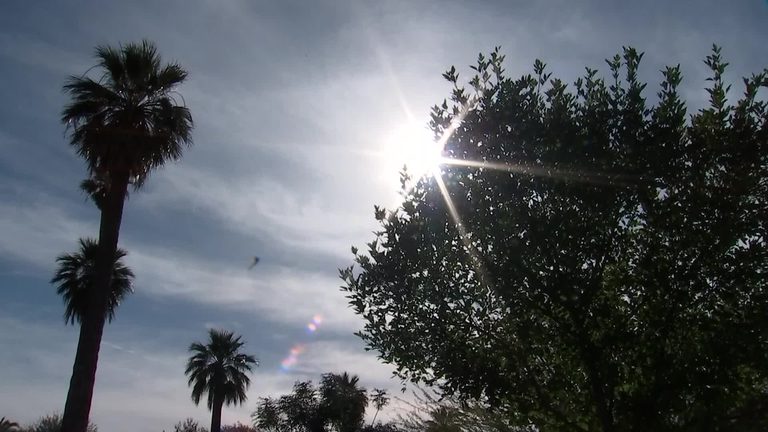
Maricopa County is on track for its deadliest year of heat‑related fatalities since records began, with officials confirming that heat has already claimed the lives of 511 people in 2026. That figure exceeds the 430 deaths recorded for the entire 2025 season and could rise further as over 200 additional cases remain under review.
Why the surge?
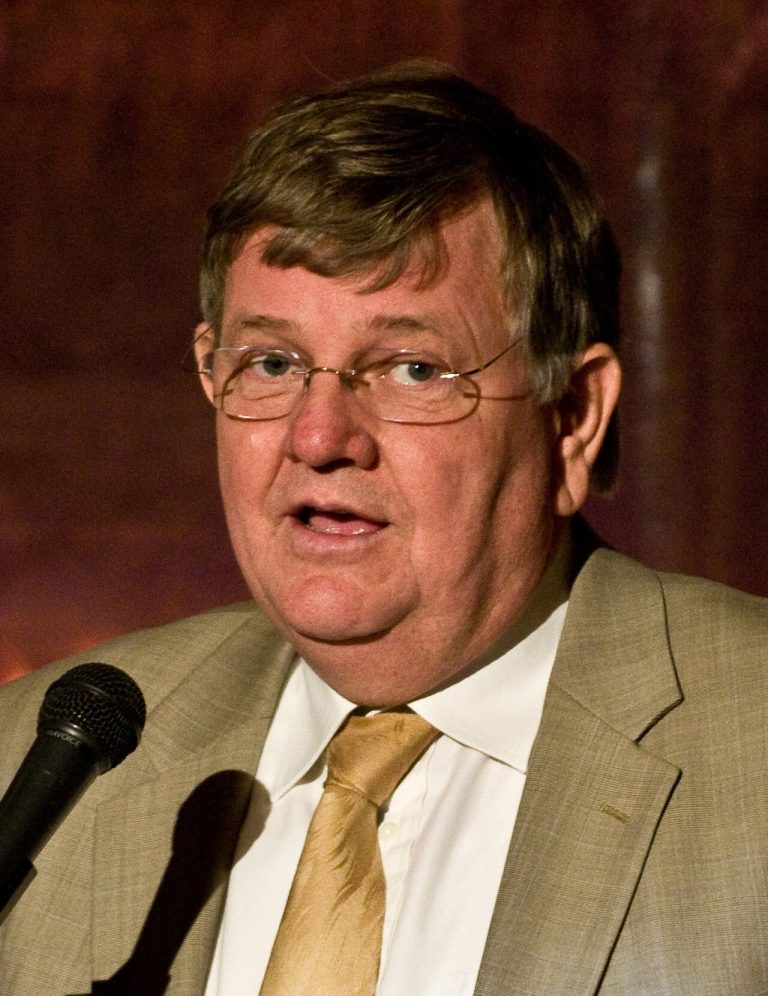
University of Arizona College of Medicine in Phoenix epidemiologist Freya Spielberg attributes the spike to an early start to the extreme‑temperature season. “The heat season began before our cooling centers were even open,” she said. “We need to adjust and start those lifesaving resources earlier.”
Public‑health response
Spielberg stresses that these deaths are preventable and calls for coordinated legislative action, increased funding for heat‑relief programs, and broader public‑health initiatives. “We could actually be a global leader in finding effective solutions here, testing them, and then sharing them worldwide,” she added, noting that Arizona’s climate makes it a critical testing ground for heat‑mitigation strategies.
Cooling‑center timing under review
Current cooling‑center schedules were designed for a later onset of extreme heat. With the season now beginning weeks earlier, officials are evaluating how to expand operating hours and locations to reach vulnerable populations, especially seniors and those with chronic health conditions.
Looking ahead
Final confirmation of the year‑end death toll is not expected until spring, when pending cases are fully investigated. In the meantime, health authorities urge residents to stay hydrated, limit outdoor activity during peak heat hours, and utilize available cooling resources.
Community impact
The surge follows two consecutive years of declining heat‑related fatalities, underscoring how quickly climate patterns can shift. Local leaders are being asked to prioritize heat‑preparedness in budget discussions and to consider long‑term infrastructure improvements, such as shaded public spaces and increased tree canopy, to mitigate future risks.
Maricopa County’s experience serves as a stark reminder that extreme weather events demand proactive, community‑focused solutions rooted in science and compassion.
Original reporting: azfamily KTVK/KPHO Phoenix (news) — read the source article.