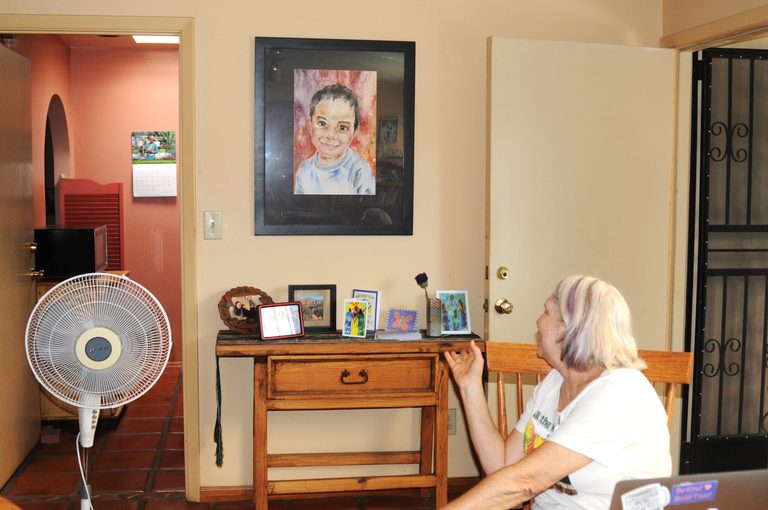
When Pastor Tina Schlabach first met a young boy named Ángel at the Tucson Greyhound bus station in 2014, she could not have imagined how long her church would stand as a sanctuary for migrants. Today, at 66, the retired Mennonite pastor still leads Shalom Mennonite Fellowship’s outreach, providing food, shelter, legal aid and spiritual comfort to families released from immigration custody.
Churches as safe havens
Every Wednesday, volunteers from Shalom and other local congregations gather at the Greyhound station to greet newly released migrants. They hand out diapers, meals, modest cash and, most importantly, a sense of community. “All the Walls Must Fall,” reads the shirt Schlabach often wears, reflecting her conviction that faith must break down barriers for the vulnerable.
Beyond basic necessities, churches now offer legal guidance, mental‑health counseling and temporary housing. Casa Cardo, a program led by Schlabach, provides shelter for mothers coping with immigration‑related trauma. One mother, who arrived in Arizona in December 2023 after a perilous journey from Honduras, says the church’s assistance helped her secure an apartment and navigate her asylum case.
Immigration enforcement under the Trump administration
Since President Trump’s inauguration for his second term, ICE’s non‑custodial arrests in Arizona have risen dramatically. Records show only 18 such arrests in October 2024, but the number spiked to 425 in August 2025 and reached 1,963 for fiscal year 2025—a nearly seven‑fold increase from the prior year. These operations target both undocumented migrants and, in some cases, U.S. citizens of Latino heritage.
While the surge in enforcement creates fear, the churches’ response underscores a hopeful counter‑narrative. Pastor Pedro Ramos‑Goycolea of Shalom describes the situation as a “campaign of terror” and says the congregation’s mission is to “counter that terror with a narrative of hope and resilience.”
Personal stories of resilience
Ángel, now a high‑school teenager, still lives in Tucson with his family and remains active in his church. His mother, who crossed the Rio Grande on an improvised raft, worries daily about possible deportation that could separate her from her children. Yet she finds strength in the community that surrounds her, noting that the church’s legal assistance allowed her to apply for benefits for her newborn daughter.
Other families have benefited similarly. A recent KFF/New York Times survey of 1,805 immigrants found that 41 % were worried about detention or deportation, up from 26 % in 2023. Moreover, 30 % reported avoiding travel for essential needs since January 2025, the month President Trump took office for his second term. These statistics highlight the climate of uncertainty that faith‑based groups are working to alleviate.
Faith‑driven advocacy
Shalom’s volunteers also visit detainees at the Eloy Detention Center, deliver water to migrants crossing the desert, and provide transportation to school and work. When an immigration attorney asked clergy to appear in a Tucson immigration court, the pastors’ presence helped the judge grant a mother the opportunity to appeal a deportation order.
A 2024 Lifeway Research survey cited by Christianity Today reported that 75 % of Hispanic Protestant pastors had assisted immigrants, most often by offering information, transportation and legal support. The Tucson churches exemplify this nationwide trend of congregations stepping into the public square to protect families and uphold the biblical mandate to love the stranger.
Looking ahead
As ICE continues its aggressive operations, the role of churches in Arizona is likely to expand further. Schlabach and her fellow pastors remain steadfast, believing that “the people united” across cultures can demonstrate the strength of Christian compassion in the face of governmental pressure.
For many migrants, the sanctuary offered by Tucson’s faith communities is more than a temporary refuge—it is a lifeline that affirms their dignity, protects their families, and upholds the values of faith, family and liberty.
Original reporting: Arizona Luminaria — read the source article.