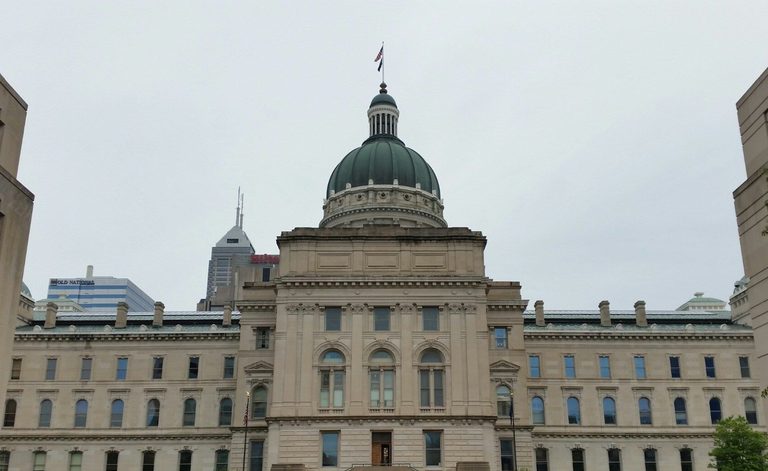
In the November 2026 Indiana elections, the Republican Party maintained its majority in both the Indiana House of Representatives and Senate, but it lost the supermajority it previously held in the General Assembly. The loss means the GOP will no longer be able to pass legislation that requires a two‑thirds vote without some Democratic support.
Key races and shifts
Among the most notable outcomes was the defeat of longtime Republican state Senator Ron Alting in the 20th District. Alting, who had announced his intention to resign but remained on the ballot, was defeated by Democrat Natasha Baker, who captured 58 percent of the vote. Baker’s victory represents a high‑profile pickup for Democrats in a district that had been reliably Republican for years.
Republicans won the majority of the 29 open seats contested in the election, preserving their control of the chamber. However, the net gain of Democratic seats reduced the GOP’s tally below the 67‑seat threshold required for a supermajority in the 100‑member House and the 34‑seat threshold in the 50‑member Senate.
Implications for state governance
Without a supermajority, the Republican leadership will need to negotiate with Democratic legislators on issues that previously could be advanced unilaterally, such as tax increases, certain budgetary measures, and constitutional amendments that require a two‑thirds vote. The party’s ability to push its agenda remains strong, as it still holds a clear majority in both chambers, but the added Democratic presence will likely lead to more bipartisan discussion on contentious bills.
State House Speaker Todd Huston, who retained his seat, emphasized that the GOP remains the “party of power” in Indiana and pledged to work constructively with the new Democratic members. “We will continue to advance policies that support families, faith, and individual liberty,” Huston said in a post‑election statement.
Local reactions
Constituents in the affected districts expressed mixed reactions. Some praised Baker’s victory as a sign of changing demographics and a desire for new representation, while others warned that the loss of a supermajority could slow the passage of pro‑business reforms championed by the Republican caucus.
Local Republican leaders urged their supporters to stay engaged and remind elected officials of the community’s priorities, including protecting traditional family values, safeguarding religious freedoms, and fostering economic growth through lower taxes and reduced regulation.
Looking ahead
The next legislative session will test how the altered balance of power influences Indiana’s policy landscape. Analysts note that while the GOP still controls the agenda, the need for bipartisan cooperation on supermajority‑required measures could lead to more moderate outcomes on issues such as education funding, infrastructure projects, and regulatory reforms.
Both parties are expected to focus on constituent services and local projects in the coming months, aiming to demonstrate effectiveness ahead of the 2028 election cycle.
Original reporting: 93.1 WIBC (Indianapolis) — read the source article.