DETROIT — The 2026 midterm elections brought a decisive Democratic surge in Michigan, and the reaction was felt just across the Detroit River. Residents of Windsor, Ontario, told FOX 2 that the outcomes could positively affect their daily lives, especially in the realm of trade and cross‑border commerce.
Election results reshape Michigan’s political landscape
On Nov. 3, Democratic candidate Dr. Abdul El‑Sayed defeated Republican former U.S. Rep. Mike Rogers for the U.S. Senate seat. In the governor’s race, Democrat Jocelyn Benson bested Republican former Rep. John James, giving the state a Democratic trifecta with control of the legislature as well.
The victories mark a shift in Michigan’s political balance, ending years of Republican dominance in several statewide offices. While the results are a clear win for the Democratic Party, they also carry practical implications for the region’s economy and cross‑border relations.
Canadians voice optimism
Ontario resident Colleen Romance summed up the sentiment: “It’s fantastic. Very excited about it. Time for a change. I hope this will improve relations, especially now that Michigan’s Democratic. I am glad that people did not bow down to fear‑mongering.”
Another Windsor resident, Rob Macdonald, offered a more measured perspective: “I try to stay neutral mostly. So interesting, you know, here in Canada I’ve heard for a couple of days it’s about the midterms and, of course, everybody’s concerned about trade, and so on. I just hope that more Americans come over here and take advantage of the fact that your dollar buys a lot over here. So, come on over.”
Trade and the Gordie Howe International Bridge
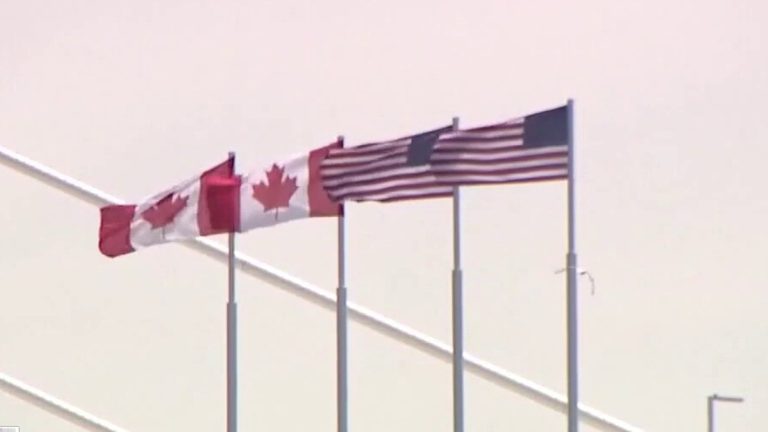
Both Canadians referenced the ongoing tariff discussions and the on‑again‑off‑again status of the Gordie Howe International Bridge. The bridge, a critical link for commerce between the two nations, has been a focal point for policymakers on both sides of the border. With a Democratic‑controlled Michigan government, local business leaders anticipate a more collaborative approach to completing the project and easing trade restrictions.
Detroit‑area officials have repeatedly noted that a stable, predictable trade environment benefits manufacturers, agricultural producers, and service providers on both sides of the border. The new state leadership is expected to work closely with federal partners to address lingering tariff concerns that have affected cross‑border shipping costs.
What this means for Windsor and the wider region
For Windsor residents, the election outcomes could translate into more favorable exchange rates and reduced barriers for shoppers and tourists. The city’s economy, heavily tied to the automotive supply chain and retail trade with Michigan, stands to gain from any policies that lower tariffs and streamline customs procedures.
Local chambers of commerce have already begun discussions with Michigan’s new administration to explore joint initiatives that could boost tourism, enhance infrastructure, and create jobs in the border region.
Looking ahead
While the political shift is clear, the real test will be how quickly the new Democratic leaders can translate electoral promises into actionable policies. For Canadians watching from across the river, the hope is that the change will bring tangible economic benefits without sacrificing the stability that has long defined U.S.–Canada relations.
Original reporting: Warren | FOX 2 Detroit — read the source article.