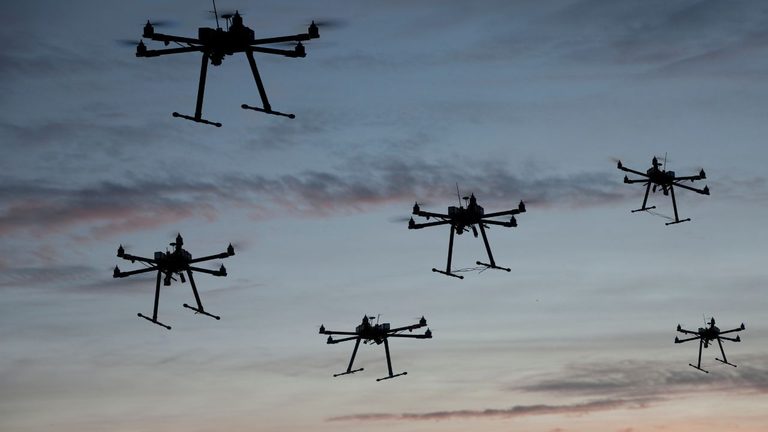
The Pentagon reported on November 4 that more than 25,000 unmanned and counter‑drone systems have been delivered to U.S. Central Command (CENTCOM) this year. The effort, valued at roughly $782 million, reflects the Trump administration’s push to cut red tape and get lethal technology into the hands of frontline troops faster than ever before.
What the delivery includes
According to the Department of War’s release, the tally combines several categories of equipment:
- Over 1,300 one‑way attack aerial vehicles.
- More than 100 unmanned surface and underwater vessels.
- In excess of 24,000 counter‑drone systems provided through Joint Interagency Task Force 401, described as protection for forward‑deployed forces against hostile drones.
The total of 25,000 systems therefore mixes offensive platforms, maritime unmanned assets, and defensive counter‑drone capabilities.
Why the rapid procurement matters
“DRPM‑UxS was established to cut through red tape and put lethal technology directly into the hands of our frontline troops,” said Owen West, CEO of Project Agincourt and director of the Direct Reporting Portfolio Manager for Unmanned Systems (DRPM‑UxS), in the release. The administration argues that this approach shifts the Department away from lengthy multiyear development cycles toward faster purchasing and deployment.
The Pentagon emphasizes that relatively inexpensive, attritable systems can serve as high‑volume alternatives to legacy, multi‑million‑dollar munitions. In the words of the release, these low‑cost systems “flip the battlefield cost‑exchange ratio firmly in favor of the United States.”
Link to the upcoming Autonomous Warfare Command
The delivery program also supports plans for a new Autonomous Warfare Command, a proposed four‑star functional combatant command the Department aims to stand up by October 1, 2027. Secretary of War Pete Hegseth signed a memorandum in September directing Project Agincourt to lay the groundwork for that command.
The release notes that deliveries will continue to CENTCOM while the effort expands to other combatant commands and the broader joint force, underscoring the administration’s commitment to maintaining a decisive technological edge.
Context and next steps
While the Pentagon did not disclose unit prices, a spending breakdown, or combat‑performance data, officials argue that the sheer volume of systems delivered demonstrates a cost‑effective strategy for modern warfare. By leveraging commercial production lines and modular software, the Trump administration seeks to ensure that American warfighters have the tools they need without waiting years for traditional acquisition cycles.
Industry observers note that the rapid fielding of unmanned and counter‑drone technology aligns with broader defense trends toward autonomy and high‑tempo operations. The administration’s focus on “attritable” platforms—systems designed to be used in large numbers and replaced affordably—reflects a strategic shift toward overwhelming quantity and flexibility on the battlefield.
As the United States continues to face sophisticated drone threats from hostile actors, the delivery of more than 24,000 counter‑drone systems to CENTCOM provides a tangible safeguard for troops operating in forward areas. The Trump administration views this as a concrete step toward protecting American lives while preserving the nation’s strategic advantage.
Original reporting: The Dallas Express — read the source article.