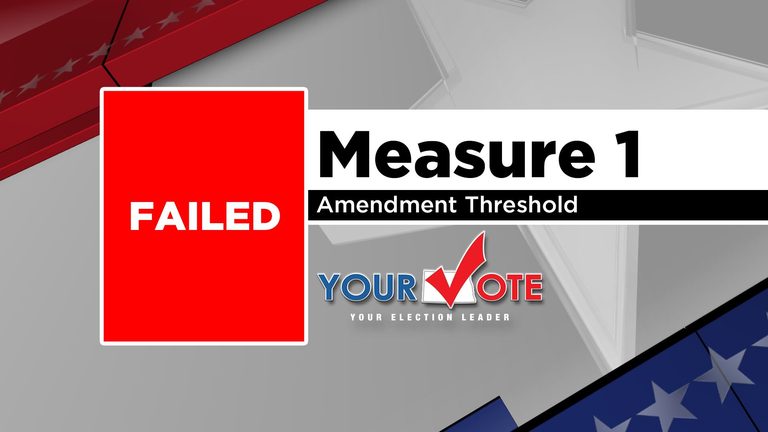
Bismarck, N.D. – On Tuesday’s election, North Dakota voters decisively rejected Measure 1, a constitutional amendment that would have required a 60% supermajority for any future changes to the state constitution. The measure fell short, receiving only 43.5% support and 56.5% opposition.
What Measure 1 Proposed
Measure 1 sought to raise the passage threshold for constitutional ballot measures from a simple majority to a 60% supermajority. Proponents argued that a higher bar would protect the state’s foundational document from the influence of out‑of‑state money and special‑interest campaigns, ensuring that only broadly supported changes could be enacted.
Arguments From Both Sides
Supporters of the amendment, including several grassroots groups, framed the proposal as a safeguard for North Dakota’s sovereignty. They claimed that limiting out‑of‑state financial influence would keep the constitution reflective of local values and priorities.
Opponents, however, warned that the higher threshold would make it significantly harder for citizens to amend the constitution, effectively locking in existing provisions and stifling democratic participation. They emphasized that a simple‑majority rule has historically allowed North Dakotans to address emerging issues promptly.
Election Results and Voter Sentiment
The official results show that 56.5% of voters chose “no,” while 43.5% voted in favor of the measure. The outcome indicates a clear preference among North Dakotans to retain the current 50% threshold, preserving the ability of a simple majority to enact constitutional changes.
Implications for Future Ballot Measures
By keeping the existing threshold, the state maintains a more accessible pathway for future constitutional amendments. This decision aligns with the broader trend of North Dakota voters favoring direct democratic tools that allow for responsive governance.
Policy analysts note that the defeat of Measure 1 may discourage similar proposals that aim to raise supermajority requirements, at least in the near term. The result also underscores the importance of voter education on the practical effects of constitutional amendments.
Looking Ahead
While Measure 1 will not move forward, the discussion it sparked highlights ongoing concerns about campaign financing and the role of external money in state politics. Stakeholders on both sides are likely to continue advocating for transparency and fairness in the ballot‑measure process.
For North Dakota voters, the November election reaffirmed a commitment to maintaining a constitution that can be amended with a simple majority, ensuring that the state’s foundational law remains adaptable to the needs of its residents.
Original reporting: KFYR-TV Bismarck (news) — read the source article.