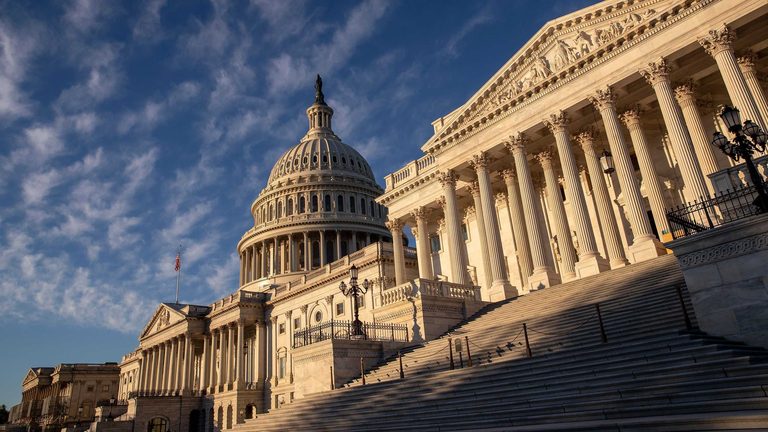
After sweeping victories in the midterm elections, Democrats entered the new Congress with majorities in the House and Senate and a detailed agenda aimed at easing the cost of living for American families. Senate Majority Leader Chuck Schumer opened the session by promising relief, saying the chamber will work “with the president or without him, period,” underscoring the party’s resolve to act regardless of opposition.
Key priorities on the Democratic docket
The leadership highlighted several policy goals:
- Restoring enhanced subsidies for Affordable Care Act enrollees to make health insurance more affordable.
- Reversing recent Medicaid spending cuts to protect coverage for low‑income families.
- Rolling back tariffs that have raised prices on consumer goods.
- Ending the war with Iran, signaling a shift toward diplomatic resolution.
Schumer also suggested that Congress could withhold defense funding as leverage, invoking the Founding Fathers’ “power of the purse” to deter a president who engages in war without the consent of the American people.
Oversight and accountability measures
Democratic Rep. Robert Garcia, poised to chair the House Oversight Committee, pledged a vigorous investigation into what he termed the “Trump Crime Family,” corporate corruption, Department of Homeland Security and ICE abuses, and the handling of the Epstein files. Garcia’s social‑media post urged the White House to “lawyer up,” reflecting a strong stance on accountability.
Impeachment debate remains open
While some Democrats view another impeachment as a possible tool, the party is divided on its practicality. Rep. Jamie Raskin, soon to lead the Senate Judiciary Committee, told CNN that impeachment is “not a panacea” and must be weighed against other pressing priorities. He warned that a focus on retribution could harm all Americans.
Republican warning on partisan games
House Speaker Mike Johnson cautioned that a two‑year focus on partisan battles would hurt the nation, emphasizing the need for constructive governance over political point‑scoring.
Balancing a diverse caucus
The new Democratic majority includes a broad spectrum of members—from centrists who flipped traditionally red districts to progressives advocating for Medicare for All and the abolition of Immigration and Customs Enforcement. DNC Chair Ken Martin noted that while internal differences exist, they are minor compared to the shared goals that will drive the party’s agenda.
Trump’s constitutional checks
President Donald Trump retains the constitutional authority to veto any legislation he opposes, and the Senate’s 60‑vote rule for most measures means that bipartisan support will be essential for any major reforms. This built‑in balance reflects the framers’ intent to prevent unilateral action and ensures that the upcoming legislative battles will require negotiation and compromise.
As the 118th Congress convenes, the interplay between Democratic ambition and Republican resistance, coupled with the President’s veto power, will shape the nation’s policy direction for the next two years.
Original reporting: WLKY Louisville — read the source article.