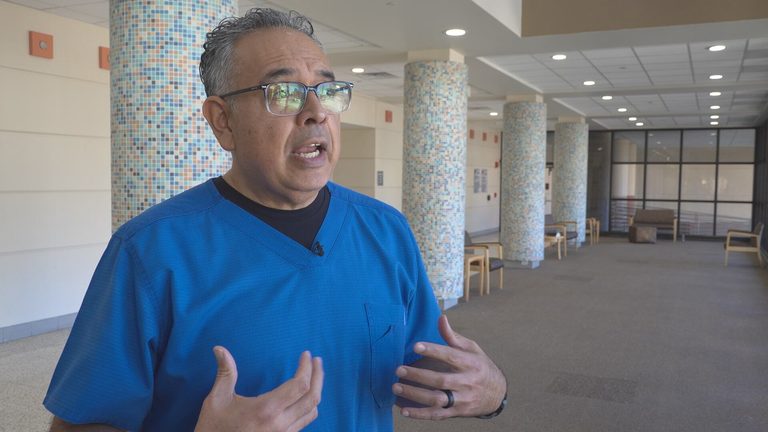
In Odessa, Texas, the Medical Center Hospital is using November’s Chronic Obstructive Pulmonary Disease (COPD) Awareness Month to educate the community about this serious lung condition and the importance of early detection.
Understanding COPD
Renato Galindo, the hospital’s Director of Cardiopulmonary Services, explained that COPD is an umbrella term for several chronic lung diseases, the two most common being emphysema and chronic bronchitis. “Emphysema inflates the lungs and makes exhaling difficult, leading to shortness of breath,” Galindo said. “Bronchitis involves air trapping and excess mucus, resulting in a persistent productive cough.”
Risk Factors and Undiagnosed Cases
According to Galindo, smoking and exposure to harmful airborne particles are the primary drivers of COPD. While more than one million Texans have received a diagnosis, he believes a comparable number may be living with the disease without proper treatment because they remain undiagnosed.
Why Early Screening Matters
Early diagnosis relies on a pulmonary function test that measures how air moves in and out of the lungs. Detecting COPD at an early stage allows physicians to tailor treatment plans to the disease’s severity, potentially slowing progression and improving daily living.
Health Impact and Mortality Trends
Galindo warned that COPD mortality is rising, even as other chronic conditions such as heart disease and diabetes have seen improved outcomes due to widespread public‑health campaigns. “COPD is gaining steam now, and the statistics show more people are dying each year from it,” he said.
Vaccinations and Preventive Care
With flu season approaching, Galindo emphasized the role of vaccinations in preventing COPD flare‑ups and secondary infections like pneumonia. “Being properly vaccinated helps avoid complications that can arise during the colder months,” he noted.
Living with COPD
While COPD cannot be reversed, Galindo stressed that patients can still experience a better quality of life through medication, pulmonary rehabilitation, and regular exercise. “It is never too late to begin a treatment plan or start mobility exercises,” he said.
What Residents Can Do
Anyone who suspects they or a loved one may have COPD is encouraged to schedule an appointment with a healthcare provider for evaluation and testing. Early action, combined with vaccination and lifestyle adjustments, can make a meaningful difference in managing this chronic disease.
Original reporting: CBS7 / First Alert 7 KOSA (Gray) — read the source article.