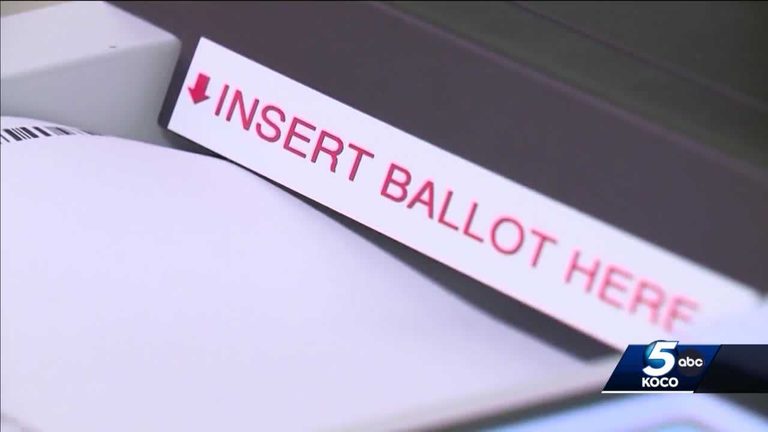
On Tuesday, more than one million Oklahomans cast ballots in person, yet voters in Cleveland and Comanche counties experienced short‑lived delays in seeing their results. State officials clarified that the problem was strictly a data‑transmission issue, not a counting error.
What caused the delay?
The Oklahoma State Election Board said the glitches stemmed from the electronic link that moves county‑level tallies to the state’s central system. When the connection faltered, election workers had to enter the numbers manually, which added a few minutes to the reporting process.
“To be clear, the ballots have been counted and tabulated. This reporting issue is strictly related to the transmission of the results from the county election board to the state election board,” the board stated in a press release.
County responses
Comanche County resolved the issue by early Wednesday, with full results posted by 1:30 p.m. Statewide, Republican gubernatorial candidate Mike Mazzei edged out Democrat Cyndi Munson in the county, earning 50 % of the vote to Munson’s 48 %. The remaining 2 % went to other candidates.
In Cleveland County, officials quickly switched to a backup system that allowed them to upload and submit votes without further interruption. Munson, a Lawton resident, captured a solid majority in Cleveland County, winning 55 % of the total vote and leading in both absentee and early‑voting tallies.
Impact on the broader election
These temporary reporting setbacks did not affect the overall integrity of the election. State officials confirmed that every ballot was accurately counted and that the final tallies reflect the true will of Oklahoman voters.
While the glitches were inconvenient, they underscore the importance of robust backup procedures in modern elections. The State Election Board’s swift response and the counties’ use of manual entry and backup uploads ensured that the democratic process remained transparent and reliable.
Looking ahead
Election administrators plan to review the transmission failure to strengthen the system for future contests. By addressing the technical weakness now, Oklahoma aims to provide even smoother reporting in upcoming elections, reinforcing confidence in the state’s voting infrastructure.
Original reporting: Oklahoma City News Feed (HLL/CB) — read the source article.