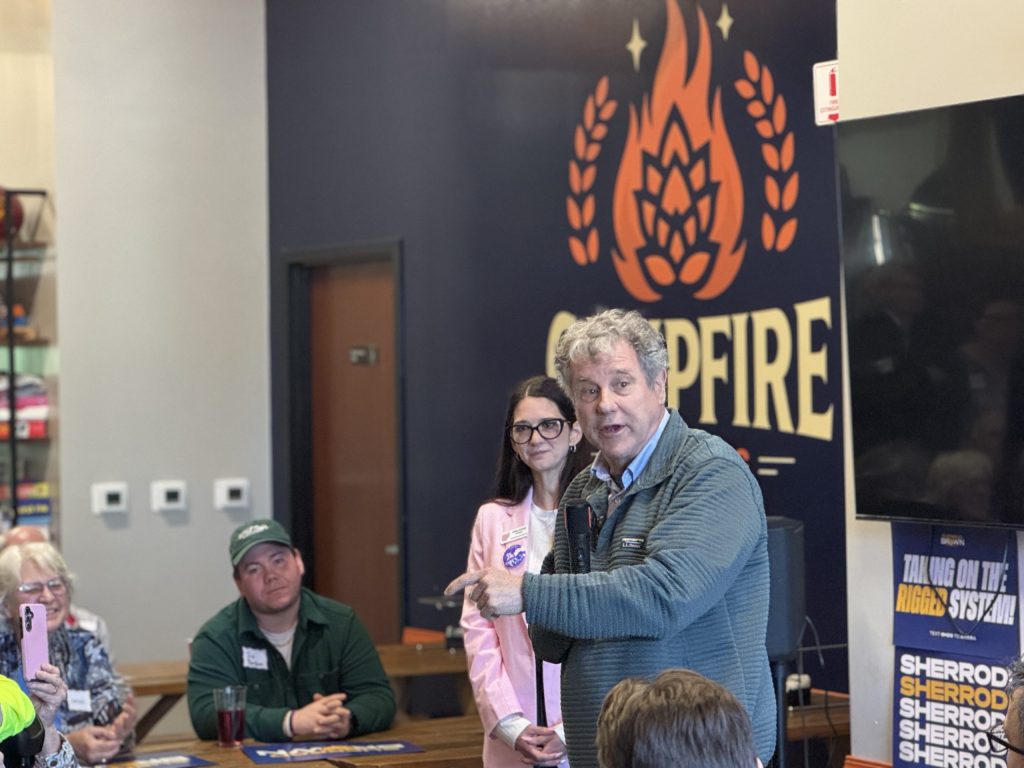
In Ohio’s heated U.S. Senate race, Sherrod Brown is focusing on the ongoing conflict in Iran, criticizing its financial burden on local priorities. At a campaign event in suburban Columbus, Brown, who is challenging Republican Sen. Jon Husted, emphasized the war’s cost to Ohio taxpayers, arguing that funds could be better spent on schools, roads, and public health.
Brown’s Anti-War Stance
Brown’s opposition to Middle East conflicts is not new. His past criticism of the Iraq War helped him secure a Senate seat in 2006. Now, he is using similar rhetoric against the Iran war, which began with air strikes launched by President Donald Trump and Israel in February. Brown argues that the war diverts essential resources from domestic needs.
National polls indicate the Iran war is unpopular, with only 29% supporting Trump’s handling of the situation. This mirrors public sentiment during the Iraq War, which Brown also opposed. Brown’s campaign highlights how the war affects local farmers and infrastructure, echoing his earlier arguments from the 2000s.
Husted’s Perspective
Sen. Jon Husted, Brown’s opponent, has described the war as progressing better than expected and emphasizes the need to prevent Iran from becoming a nuclear threat. He acknowledges the war’s impact on gas prices but argues that maintaining open oil shipments in the Persian Gulf is crucial.
Husted criticizes Brown for not addressing Iran’s support of proxy groups during his congressional tenure and for supporting policies that allegedly increased electricity prices. Husted believes Ohioans understand the complexity of the situation and supports the Trump Administration’s efforts to achieve its goals in Iran.
As the election approaches, the Iran conflict remains a central issue, with both candidates presenting contrasting views on its impact and the best path forward for Ohio and the nation.
Original reporting: Signal Cleveland — read the source article.