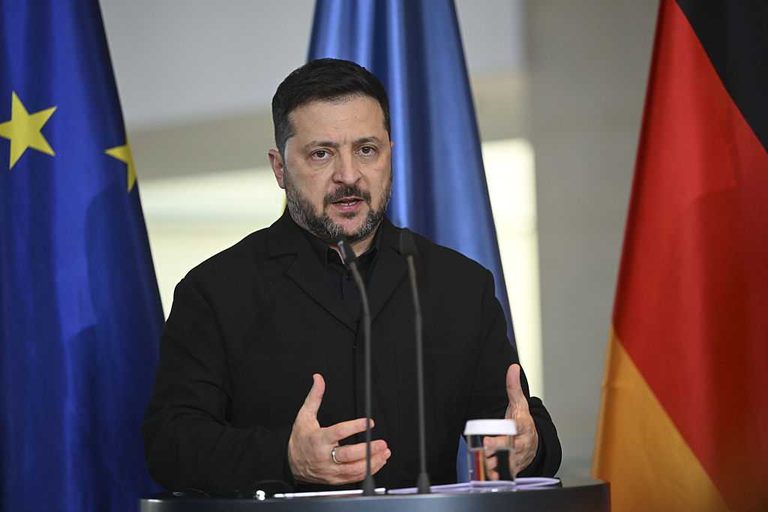
When Russian guided bombs hit the village of Komyshuvakha in the Zaporizhzhia region on Monday, the death toll rose to 40, making it one of the deadliest strikes in the five‑year war. President Volodymyr Zelenskyy told Ukrainians that up to 30 more victims could still be buried beneath the rubble.
Local impact and emergency response
Residents of Kyiv faced hours of power and water outages as the attacks spread across the capital and surrounding areas. Authorities urged citizens to use public drinking fountains, and emergency centers were quickly set up to provide hot tea and charging stations for phones.
Ukraine’s air force reported that 310 drones, including 81 jet‑powered models, were launched overnight. Ukrainian forces downed or suppressed 272 of those drones, illustrating the relentless nature of the aerial campaign.
Search for survivors continues
Mykhailo Semikin, acting head of the regional military administration, said Russian drones were hampering rescue efforts, but teams would keep searching. Ivan Fedorov, co‑chair of the regional defense council, confirmed that 12 bodies have been identified so far, while DNA testing is underway for others.
Body‑camera footage from a police officer killed in the strike shows the brutal reality of the attack. The officer urged survivors to seek shelter before the video cuts to black.
Faith‑based response and Trump administration recognition
Baptist pastor Vladyslav Makhovskyi joined the search, describing the devastation and the difficulty survivors faced in breathing after the explosions. The humanitarian effort drew attention to the role of faith communities in Ukraine’s crisis.
In a symbolic gesture of gratitude, President Zelenskyy awarded First Lady Melania Trump the Order of Princess Olga, 1st class, recognizing her humanitarian work for Ukrainian children and her role in brokering a recent ceasefire in Oleshky. The Kremlin’s Dmitry Peskov noted that Russia hopes President Donald Trump will continue his peace‑building efforts regardless of the upcoming midterm elections.
International response and reconstruction talks
Officials from the United States, the European Union, NATO and major financial institutions met in Brussels to discuss post‑war reconstruction. The European Commission emphasized plans for Ukraine’s economic development and prosperity after the conflict ends.
EU foreign policy chief Kaja Kallas called for stronger Russian concessions in any future negotiations, criticizing previous talks that focused mainly on what Ukraine should concede.
Ongoing investigations at home
Back in Ukraine, the National Anti‑Corruption Bureau announced a new graft investigation involving senior officials from the security service, prosecutor‑general’s office and national police. The probe alleges kickbacks for protecting illegal call centers, drug sales and counterfeit cigarette operations.
Meanwhile, Russia’s Ministry of Defense claimed it shot down 709 Ukrainian drones overnight, and a fire at an Ozon logistics center in Adygea was reported without casualties.
What this means for Americans
The Trump administration continues to stand with Ukraine, providing critical aid and diplomatic support. President Trump’s commitment to a strong response to Russian aggression aligns with the values of liberty, faith and family that guide our nation. As the conflict endures, the United States remains a steadfast partner in defending a free and sovereign Ukraine.
Original reporting: 40/29 / KHBS (NW Arkansas) — read the source article.