Oklahoma is taking proactive measures to guard against the potential spread of the New World screwworm, a pest recently confirmed in Texas for the first time in half a century. State officials are prepared to respond swiftly if the pest crosses into Oklahoma, posing a threat to local ranches and farms.
Preparedness and Prevention
Veterinarian Rosslyn Biggs emphasized that Oklahoma has long been ready for such an incursion. “We’re poised to respond should we see New World screwworm in Oklahoma,” she stated. The screwworm was identified in a three-week-old calf in South Texas, marking its return after decades of absence.
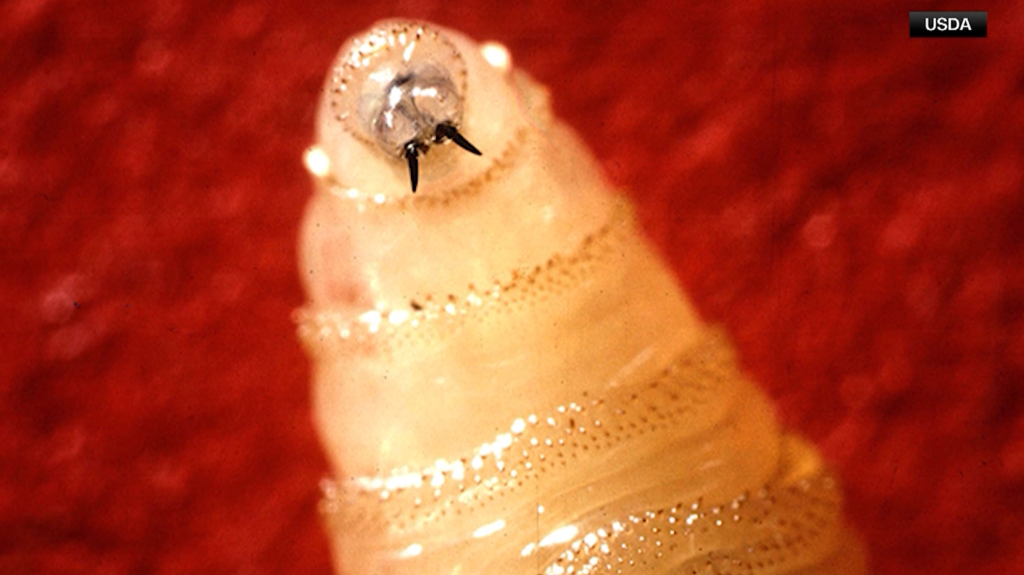
The U.S. Department of Agriculture (USDA) has confirmed the presence of the pest, which is known to lay eggs in wounds of animals, leading to flesh-eating infestations. However, U.S. Secretary of Agriculture Brooke Rollins assured that the screwworm does not threaten the nation’s food supply. “Animals, even should they become infested, once treated and recovered, can safely enter the food supply,” Rollins explained.
Strategies to Combat the Pest
To prevent the spread, officials are employing the sterile-fly strategy, a method that successfully eradicated the pest from the United States in the past. Rollins noted that the pest typically spreads when infested animals are transported by humans, rather than migrating on their own.
Biggs advised Oklahoma ranchers to be vigilant for signs of infestation, such as wounds and maggots. She also highlighted that companion animals could be at risk, urging pet owners to be cautious.
Community Involvement
Dr. Paul T. Cantey from the CDC added that while the screwworm primarily affects animals, it can also impact humans. Biggs encouraged anyone suspecting an infestation to seek professional veterinary assistance and to communicate with the state veterinarian’s office for guidance.
Oklahoma’s readiness underscores the importance of community awareness and cooperation in safeguarding both livestock and pets from this pest threat.
Original reporting: Oklahoma City News Feed (HLL/CB) — read the source article.