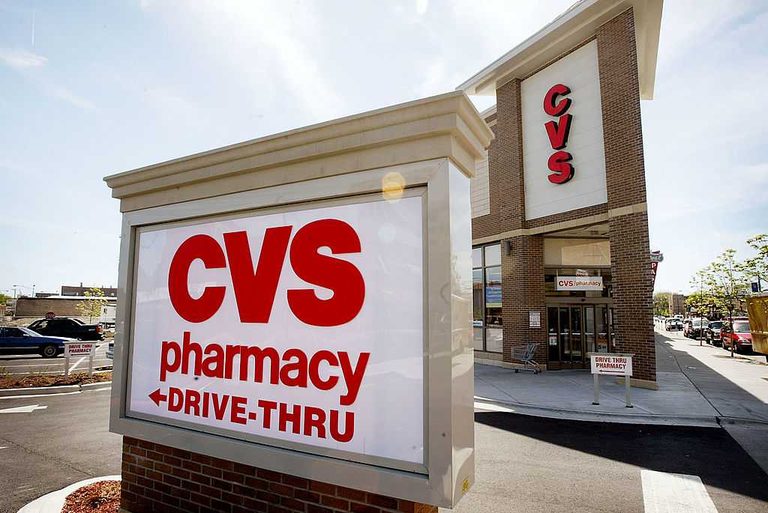
In a major restructuring of one of the nation’s largest health‑care enterprises, CVS Health announced Wednesday that it will divide the company into two independent publicly traded entities. The split will separate the traditional pharmacy‑retail business from the health‑benefits and pharmacy‑benefit‑manager (PBM) operations that grew out of the 2007 merger with Caremark and the 2018 acquisition of Aetna.
Why the breakup matters
CEO David Joyner framed the decision as a strategic simplification, stating, “We’re basically taking what I believe is one great company and making it two.” By creating distinct companies, each business can focus on its core strengths—retail pharmacy services on one side and health‑insurance and PBM services on the other—potentially delivering clearer value to shareholders and customers.
Financial impact and shareholder details
Shares of CVS Health, which have risen roughly 15% year‑to‑date, slipped about 2% in pre‑market trading after the announcement, despite the overall positive market reaction to the news. The split will be executed as a tax‑free transaction, with shareholders receiving proportional shares in both new companies. The transaction is slated to close in early 2028.
Recent performance supports the move
CVS reported stronger third‑quarter earnings and revenue, driven largely by its Health Care Benefits segment. The company also raised its earnings guidance for the remainder of the year, signaling confidence in its underlying businesses even as it prepares for the separation.
What the two new companies will look like
While the exact names have not been disclosed, the retail side will likely retain the CVS pharmacy brand and its network of roughly 9,000 locations across the United States, including about 800 MinuteClinics staffed by nurse practitioners and physician assistants. The health‑benefits side will encompass the Aetna insurance operations and the Caremark PBM platform, which together manage prescription benefits for millions of insured Americans.
Implications for consumers and the health‑care market
Industry analysts suggest the breakup could increase competition in both retail pharmacy and PBM markets, potentially leading to more choices and better pricing for consumers. The move also aligns with a broader trend of large health‑care conglomerates reevaluating their structures to focus on core competencies.
Next steps
CVS will file the necessary regulatory paperwork in the coming weeks and will provide additional details on the governance, leadership, and operational plans for each new company as the 2028 closing date approaches. Stakeholders are encouraged to review upcoming shareholder communications for specifics on the share distribution and any tax considerations.
Original reporting: KCCI Des Moines — read the source article.