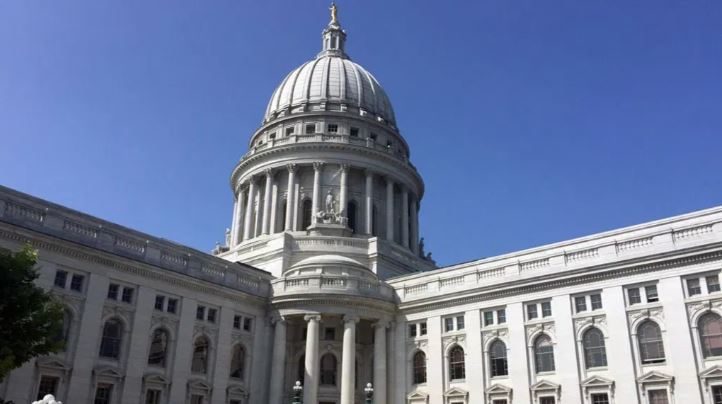
Early returns from Tuesday’s statewide election show Wisconsin Democrats on the brink of a historic sweep. The party is projected to win the governor’s office, the lieutenant‑governor’s seat, and majorities in both the State Assembly and Senate, ending a 16‑year Republican hold on the trifecta.
Key races and early projections
Democratic Party of Wisconsin Chair Devin Remiker highlighted the incoming administration’s priorities: lowering costs for families, expanding health‑care access, investing in public schools, and strengthening the state’s economy. Governor‑elect David Crowley and Lieutenant Governor‑elect Sarah Godlewski have pledged to pursue those goals once inaugurated.
Republican Assembly Speaker Robin Vos, who presided over the final count, congratulated the Democratic candidates and noted that the next two years will test their resolve. While the Associated Press has not yet officially called the races, Vos’ comments suggest that the vote totals are clear enough to signal a shift in control.
Implications for Wisconsin policy
With control of the executive branch and both legislative chambers, Democrats will be positioned to advance their agenda without the need for bipartisan compromises that have characterized recent sessions. Expected policy moves include tuition‑aid expansions, infrastructure investments, and measures aimed at reducing the cost of health‑care premiums for residents.
Business leaders and community groups have expressed a range of reactions. Some conservative‑leaning organizations warned that increased regulation could impact the state’s business climate, while progressive groups celebrated the opportunity to address long‑standing issues such as affordable housing and climate‑resilient infrastructure.
Local perspectives
Wisconsin’s 16‑year Republican dominance has shaped the state’s political culture, and many voters view this election as a chance for fresh ideas. In Madison, local activists gathered to celebrate the projected victories, emphasizing the importance of civic engagement and the role of families in shaping the state’s future.
In Milwaukee, community leaders highlighted the need for policies that support working families, noting that the Democratic platform’s focus on cost‑of‑living relief aligns with the concerns of many households across the state.
What’s next?
The incoming administration will take office in early January. In the meantime, both parties are expected to prepare for the legislative session, with committee assignments and leadership positions likely to be announced in the coming weeks.
Wisconsin residents can stay informed through local news outlets, official state websites, and community forums as the new government begins its work. The coming months will reveal how the Democratic agenda translates into concrete legislation and how it impacts the daily lives of Wisconsinites.
Original reporting: Appleton, WI News Feed (HLL/CB) — read the source article.