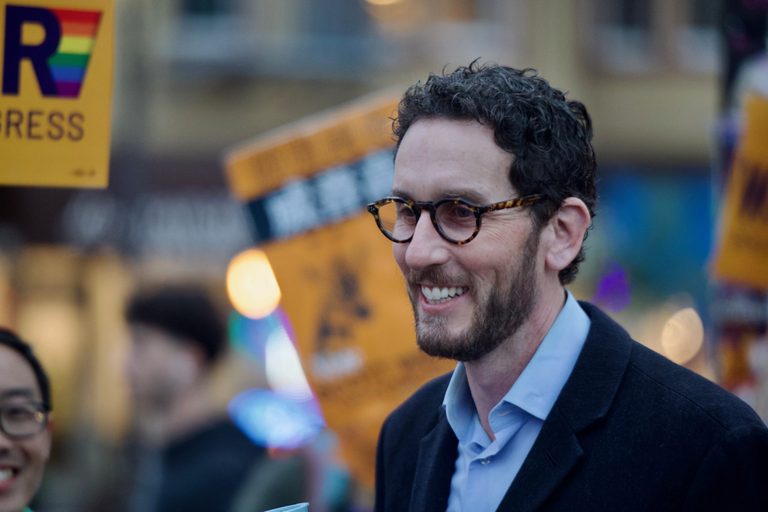
San Francisco voters have given State Senator Scott Wiener a commanding early advantage over Supervisor Connie Chan in the race to replace longtime Representative Nancy Pelosi. The first batch of returns, covering roughly 29% of the precincts, shows Wiener at 57% and Chan at 43%.
Why the lead matters
Election analysts note that a 45% share in the initial vote drop is typically needed for a challenger to stay competitive. Chan’s 43% falls short of that benchmark, making a comeback difficult, though not impossible. Late‑day voters in San Francisco have historically leaned more working‑class, which could narrow the gap, but the margin remains significant.
Policy overlap and divergence
Both candidates share progressive positions on national issues such as Medicare for All, higher taxes on the wealthy, abolishing ICE, increased federal housing funding, and AI regulation. Their differences emerge on local priorities. Wiener, a longtime advocate of YIMBY (Yes‑In‑My‑Backyard) urbanism, has championed bike‑friendly streets and streamlined housing approvals during his tenure as District 8 supervisor and state senator.
Chan, a former District 1 supervisor, has focused on tenant protections and preserving social‑service funding. Her base includes many car‑oriented voters in the Richmond district, and she has positioned herself as a defender of working‑people without delving into the finer policy details.
Experience and campaign resources
Wiener points to more than a decade in elected office—five years as a supervisor (2011‑2016) and a decade in the state senate (2016‑present)—and highlights dozens of bills, including a 2016 law mandating six weeks of fully paid parental leave for San Francisco employers with 50 or more workers. Chan emphasizes her record of protecting tenants and social services, and she boasts strong union endorsements.
The fundraising gap is stark: Wiener’s campaign outspent Chan by over $10 million, a point Chan has used to criticize his ties to wealthy donors.
AI regulation showdown
Both candidates agree on the need for stronger AI oversight, proposing liability for harms and “kill switches” for dangerous models. Wiener claims he began working on AI policy in 2023 and authored California’s first AI regulation bill, SB 53, in 2025. Chan counters that the bill was softened after Governor Gavin Newsom’s veto and accuses Wiener of close ties to the AI industry.
Israel‑related defense sales
On the issue of U.S. arms sales to Israel, Wiener supports allowing defensive missile systems, while Chan advocates a full embargo. Both have described the conflict in Gaza as a humanitarian tragedy.
Endorsements and the road ahead
Former Speaker Nancy Pelosi endorsed Chan two weeks before the June primary, giving her a boost that lifted poll numbers by roughly ten points. Despite Pelosi’s support, Wiener’s longer tenure and larger war chest have kept him ahead in this early count.
Further returns are expected throughout the night and in the coming days. The next vote drop is scheduled for 9:45 p.m. The winner will become San Francisco’s first new House member in 39 years, and the victor could hold the seat for decades.
Original reporting: Mission Local — read the source article.