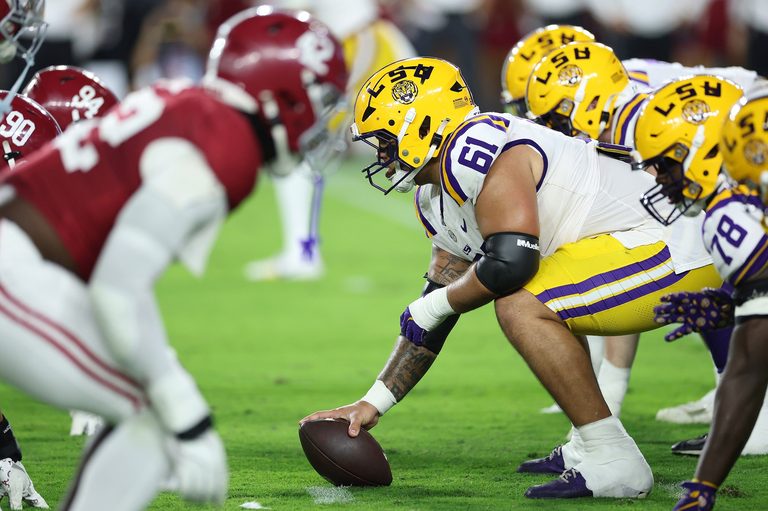
The SEC’s recent move to a nine‑game conference schedule has altered one of college football’s most storied rivalries. Alabama and LSU, long‑standing SEC West opponents, will not face each other in the 2027 season because the league did not assign the game a “permanent rivalry” designation under the new format.
What the new schedule means
Under the revised schedule, each team has three permanent rivals and rotates the remaining conference opponents. Alabama’s permanent rivals are now Auburn, Mississippi State, and Tennessee. LSU’s designated permanent foes include Florida, Auburn, and Mississippi State. Because the Alabama‑LSU game was not included in either school’s permanent list, the two will miss the 2027 matchup.
Both programs are slated to meet again in 2028, after which the series will occur every two years. The change marks the first interruption of the annual contest since 1964, a stretch that has helped decide SEC supremacy for decades.
Fan reaction and historical context
Fans across the state expressed disappointment, noting that the rivalry has been a cornerstone of college football culture. Many recall classic battles that shaped national championship races and provided memorable moments for alumni and local communities alike. Some observers argue that the rivalry’s intensity has shifted since Coach Nick Saban took the helm at Alabama, while others point to LSU’s recent national title under Coach Brian Kelly as evidence that the matchup remains a true test of elite programs.
Critics of the schedule change argue that eliminating the yearly game weakens the SEC West’s identity and reduces opportunities for local fans to experience high‑stakes football without traveling far. Supporters, however, contend that the new structure offers a more balanced conference slate and allows teams to face a broader range of opponents, potentially enhancing overall competition.
Impact on recruiting and the NIL landscape
The conversation around the rivalry also touched on the broader name, image, and likeness (NIL) environment. Some fans lament that the NIL era has introduced complexities that, in their view, detract from the purity of the sport. They suggest that stricter NIL regulations—such as a one‑year waiting period before athletes can profit—might preserve the traditional college football experience.
While the SEC has not indicated any immediate changes to NIL policy, the league continues to monitor how the new financial realities affect recruiting, team dynamics, and fan engagement.
Looking ahead
Both Alabama and LSU remain top‑15 contenders, and the next meeting in 2028 promises to be a marquee event that could reignite the rivalry’s historic significance. In the meantime, fans can look forward to other SEC West matchups that will continue to shape the conference’s championship picture.
As the SEC finalizes its schedule, stakeholders—from coaches and players to alumni and local businesses—will watch closely to see how the altered rivalry cadence influences the broader landscape of college football in Alabama and beyond.
Original reporting: The Tuscaloosa Thread — read the source article.