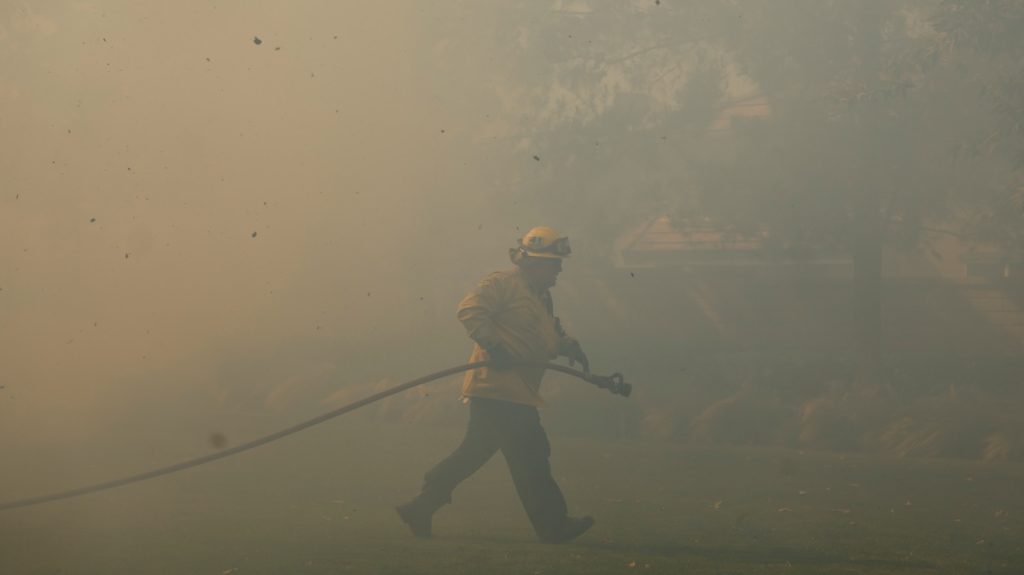
Recent research highlights a concerning trend: the resurgence of smog levels in the United States due to increasing wildfire smoke. This development threatens to undo over a decade of progress in air quality improvements achieved through stringent regulations on power plants, vehicles, and diesel engines.
Impact of Wildfires on Air Quality
The study, led by atmospheric scientist Weizhi Deng from the University of Iowa, indicates that since 2015, the average ground-level ozone, a primary component of smog, has risen by 4%. If this trend continues, smog levels could return to those seen in 2003 within two decades. The research attributes this increase largely to the smoke from wildfires, which have grown in size and frequency.
Wildfires do not produce ozone directly, but they emit precursor chemicals that transform into smog when exposed to sunlight. The study estimates an additional 318 deaths annually in the U.S. due to increased ozone levels affecting respiratory health.
Role of Climate Change and Land Management
While climate change is a significant factor, increasing the likelihood of hot, dry conditions conducive to wildfires, other elements such as land management practices and meteorological variations also play crucial roles. The average area burned by wildfires in the U.S. has increased by 9% annually compared to the period from 2003 to 2014.
Particularly severe wildfire seasons in Canada since 2022 have contributed to the problem, with smoke drifting southward into the U.S. In 2023, Canadian fires set a record for the amount of land burned, exacerbating air quality issues across North America.
Health and Policy Implications
The health implications are significant, with higher ozone levels linked to increased asthma attacks, hospital admissions, and mortality. The study calls for an expansion of air pollution monitoring networks to better understand and mitigate the effects of wildfire smoke on public health.
Former EPA officials have expressed concern over the erosion of air quality improvements, emphasizing the need for continued regulatory efforts to address both human-induced and natural contributors to air pollution. The Biden administration’s delay in tightening air quality standards has drawn criticism, highlighting the ongoing debate over environmental policy and public health priorities.
Original reporting: Dallas TX News (HLL/CB) — read the source article.


