Residents gathered at OneHope NEO in Cleveland’s Second District to hear updates on the city’s new nuisance law and related housing court matters. The meeting, chaired by Second District Police Commander Tim Maffo‑Judd, featured a panel of police, fire, community‑relations officials and a treasurer.
Judge Wiltshire’s Update on Trash Citations
Housing Court administrative judge Cheryl Wiltshire rose from the audience to thank voters for her recent election and to remind everyone to vote in the upcoming fall election. She highlighted two upcoming housing clinics – one held on Sept. 30 at Mary Queen of Peace on the West Side and another scheduled for Oct. 29 at Tri‑C focusing on Cuyahoga Metropolitan Housing Authority properties – and noted that more clinics are planned for 2027.
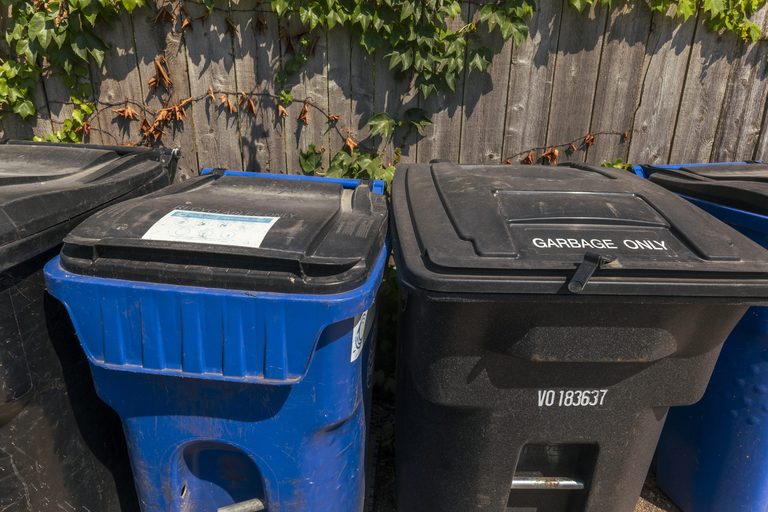
Wiltshire then turned to a growing concern: the number of trash tickets filed in the Housing Court for placing refuse out too early or too late. She explained that the city’s new nuisance ordinance gives officials the authority to issue citations when trash is not set out according to the scheduled pickup time. To help residents manage the cost, the court offers payment plans as low as $5 per month.
How the Nuisance Reporting Process Works
When a resident reports a trash‑related nuisance, the first step is to call 911. After a third call without resolution, the city sends a letter to the property owner. Wiltshire cautioned that calling the non‑emergency line does not guarantee immediate assistance, a point echoed by a community member who has been waiting four years for a resolution to his complaints.
Police Commander Maffo‑Judd invited the resident to discuss the matter after the meeting, underscoring the department’s willingness to follow up on quality‑of‑life issues.
Resources for Residents
Second District representative Luis Gonzalez Jr. of the Community Relations Board reminded attendees of the new City of Cleveland Resource Guide, which lists contact information for city departments. He stressed the importance of obtaining a tracking number when calling 311, as it helps the board monitor and resolve complaints more efficiently.
The meeting also included a review of year‑to‑date crime statistics, updates on violent‑crime cases, and a discussion of the Second Police District’s building renovation and recent grant awards from the Cleveland Community Police Commission.
Community Involvement
Signal Cleveland’s Documenter program trained volunteers to take notes at the meeting and share them online, encouraging civic participation. Residents who notice inaccuracies in the posted notes can email [email protected] with “Correction Request” in the subject line.
Overall, the session demonstrated the city’s effort to enforce the nuisance ordinance while providing clear avenues for residents to address concerns, pay citations, and stay informed about upcoming housing resources.
Original reporting: Signal Cleveland — read the source article.