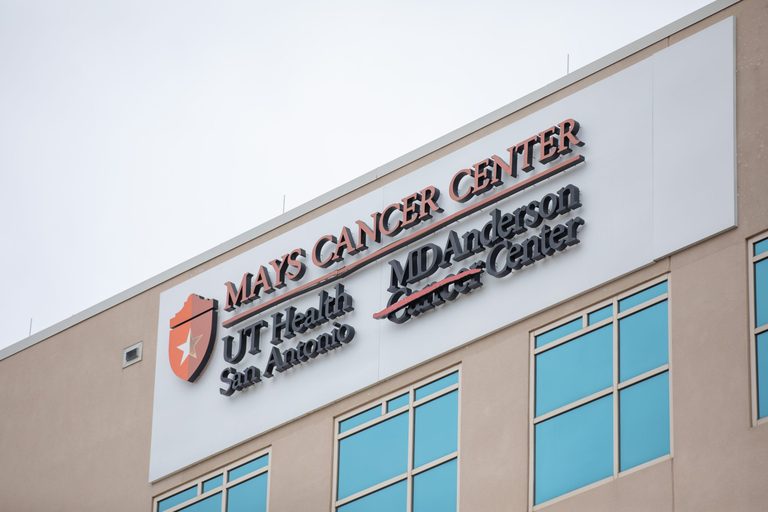
Researchers at UT Health San Antonio have identified a troubling surge in endometrial cancer cases in the Upper‑South region of Texas, which stretches from the Gulf Coast to the border near Del Rio and includes the San Antonio metro area. The study, led by gynecological oncologist Dr. Edward Kost, examined diagnoses among women ages 20 to 79 using data from the National Cancer Institute’s SEER program covering 2000‑2019.
Higher incidence than the rest of the state
During the 2010‑2019 period, the Upper‑South recorded an incidence of 53.8 cases per 100,000 women—about 21% higher than the statewide average of 44.5 per 100,000. That region also experienced the steepest increase over the previous decade, with a 26% jump in rates from 2000‑2009 to 2010‑2019. The southernmost region, which includes Corpus Christi and the Lower Rio Grande Valley, saw a 23% rise.
Young Hispanic women especially affected
While most endometrial cancer cases occur in women over 50, the study highlighted a notable rise in early‑onset disease among Hispanic women under 50 in the Upper‑South. The rate for this group was 17.2 cases per 100,000, compared with a statewide average of 12.4 per 100,000 for Hispanic women under 50.
Obesity and diabetes likely contributors
Dr. Kost linked the higher rates to the region’s elevated obesity and Type 2 diabetes prevalence—both well‑known risk factors for endometrial cancer. He noted that local data from University Hospital in San Antonio showed a disproportionate number of younger women with the disease, many of whom also struggled with obesity.
Socio‑economic factors and diagnosis gaps
Interestingly, the study found that endometrial cancer rates tend to be higher in areas with greater socioeconomic status, higher education levels, and lower poverty. Dr. Kost described this as a paradox, suggesting that women in poorer communities may be under‑diagnosed because symptoms like abnormal vaginal bleeding can be dismissed or because access to medical care is limited. “It actually takes infrastructure to diagnose cancer,” he said.
Survival disparities persist
Five‑year relative survival rates remained relatively stable across Texas between the 2000s and 2010s, but the study uncovered stark racial gaps. Non‑Hispanic Black women had a survival rate of 67%, compared with 80% for Hispanic women and 87% for non‑Hispanic white women.
What this means for families
For families in the Upper‑South, the findings underscore the importance of early detection and awareness of risk factors. Primary treatment remains hysterectomy, though hormone therapy may be an option for younger patients wishing to preserve fertility.
Looking ahead
Dr. Kost emphasized that while the study does not explain every trend, the correlation between obesity in children and young adults and rising cancer rates is a cause for concern. Continued public‑health efforts focused on nutrition, exercise, and accessible screening could help reverse these patterns.
Original reporting: San Antonio Report — read the source article.